The Old North Church is one of the most iconic and symbolically powerful stops along the Freedom Trail. Officially known as Christ Church, it is the oldest surviving church building in Boston, completed in 1723. While it functioned as an Anglican place of worship during the colonial period, its enduring place in American memory comes from its role in the events leading up to the American Revolution.
The church’s architecture reflects its colonial origins, with a tall white steeple that rises prominently above the North End neighborhood. For generations, this steeple has served as a landmark, visible from both land and sea. Inside, the church retains much of its original 18th-century design, including wooden box pews, high ceilings, and galleries that would have accommodated different segments of the congregation. These features provide insight into the religious and social structure of colonial Boston.
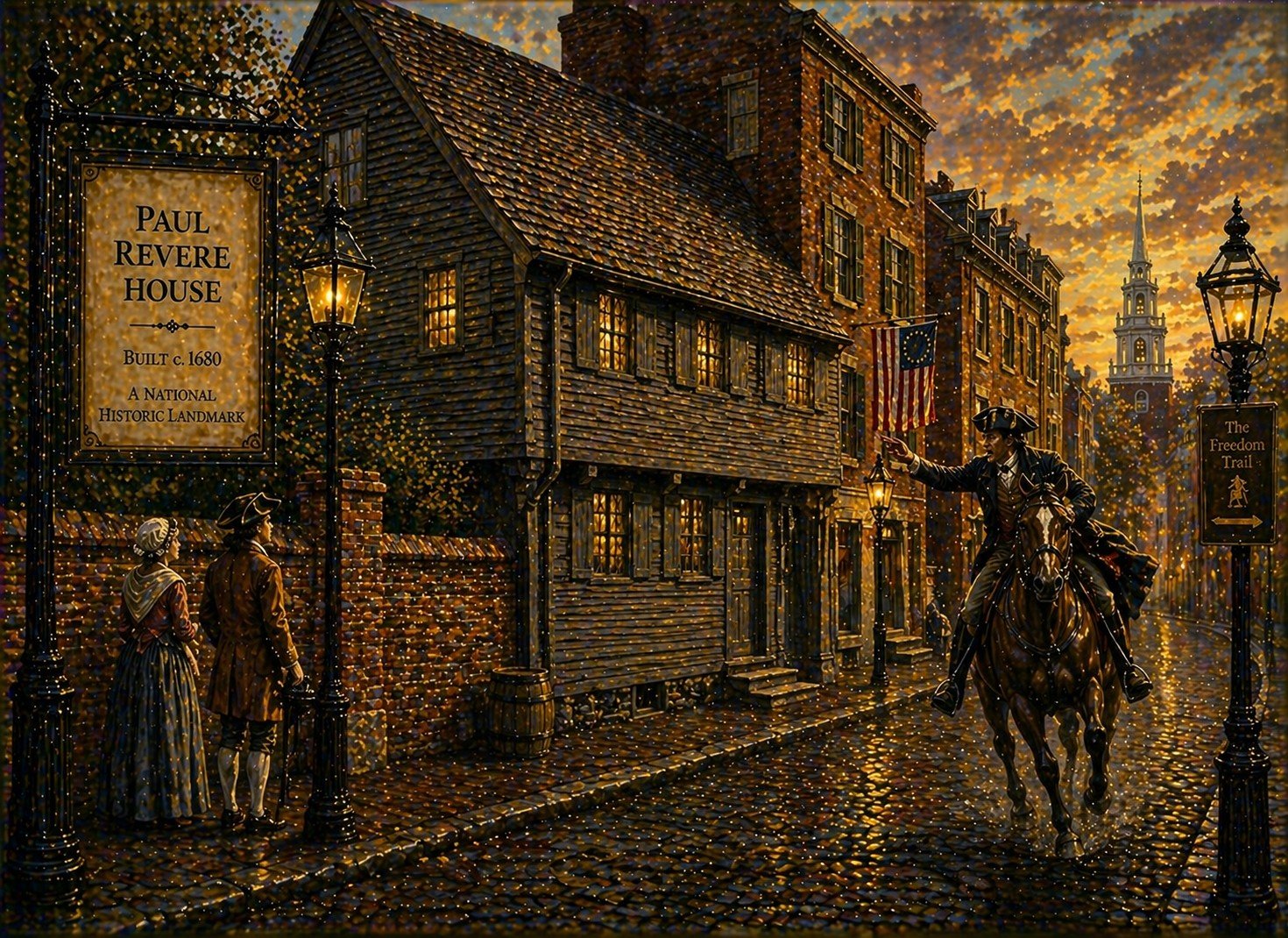
Old North Church’s historical significance is most closely tied to the night of April 18th, 1775. As British troops prepared to move from Boston to the surrounding countryside, colonial leaders sought to warn local militias of their approach. Paul Revere, working within a network of patriots, arranged for a signal to be displayed in the church’s steeple: one lantern if the British advanced by land, and two if they crossed the Charles River by sea. When two lanterns were hung, the signal confirmed that British forces were moving by water, allowing riders to spread the warning.
This moment, often summarized by the phrase “one if by land, two if by sea,” has become one of the most enduring images of the revolutionary era. Although Revere’s ride itself involved a network of riders and communications, the lantern signal at Old North Church played a critical role in ensuring that the alarm was raised quickly and effectively. The church thus became a key instrument in the chain of events that led to the battles of Lexington and Concord, marking the beginning of armed conflict.
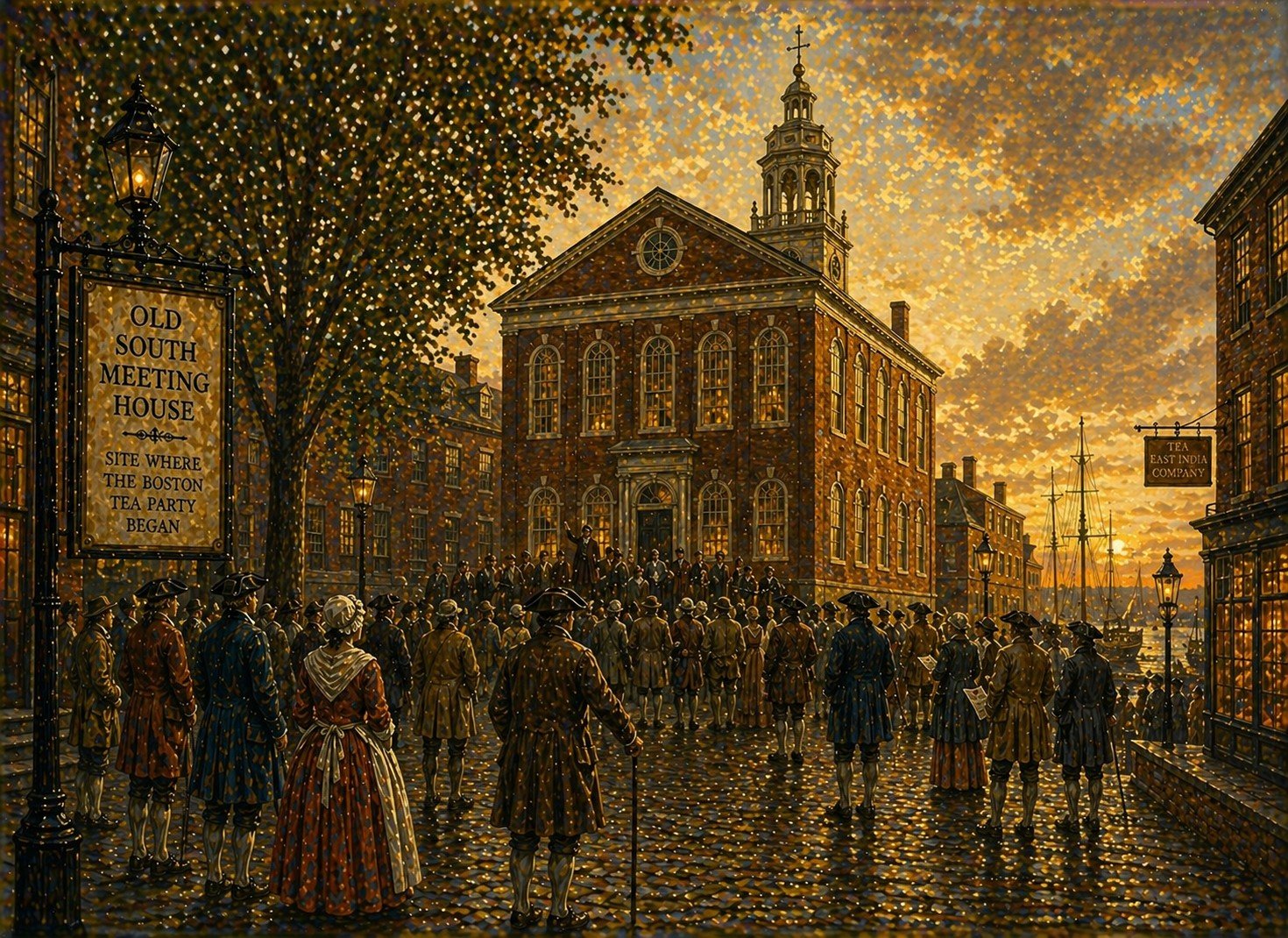
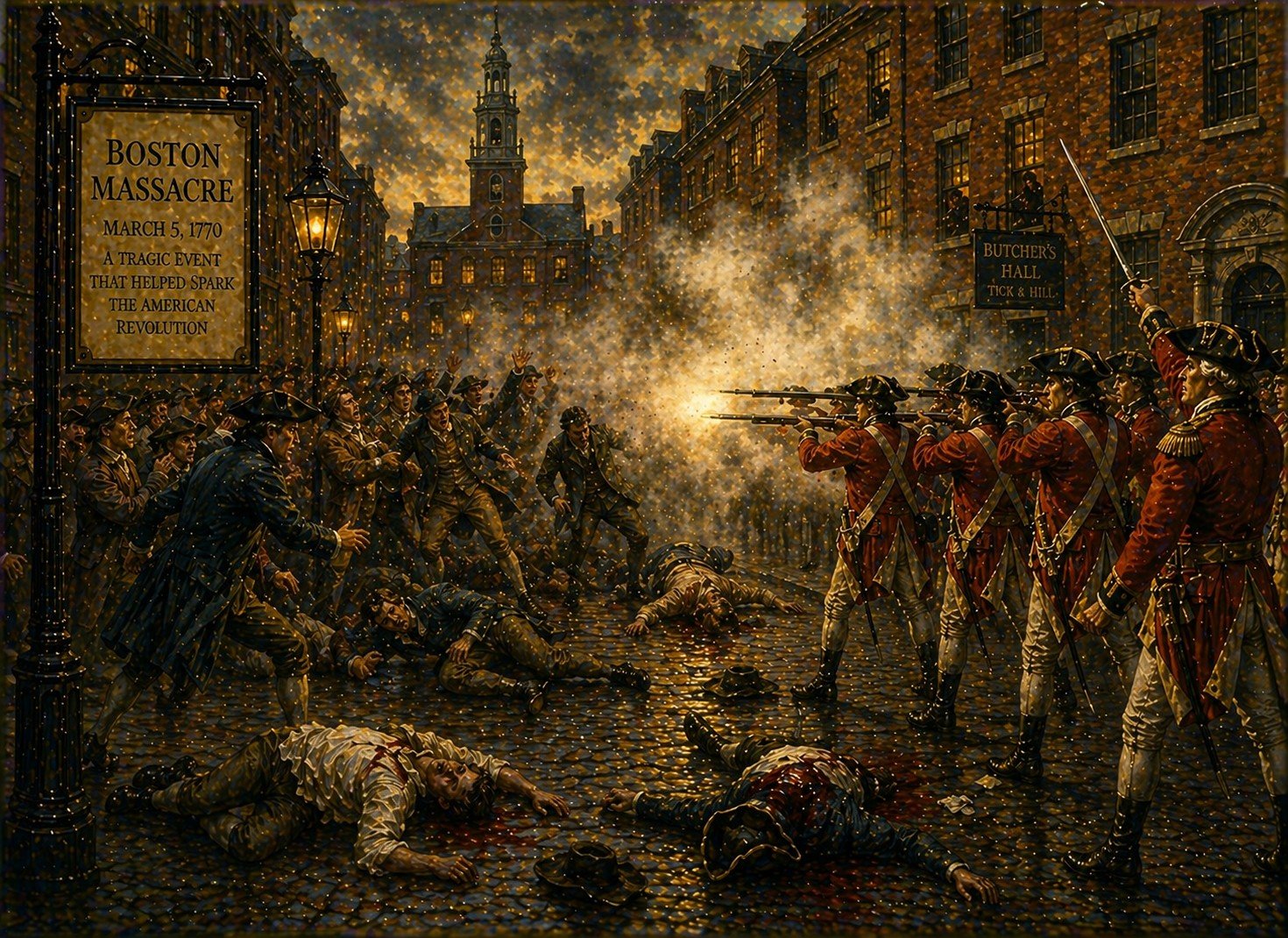
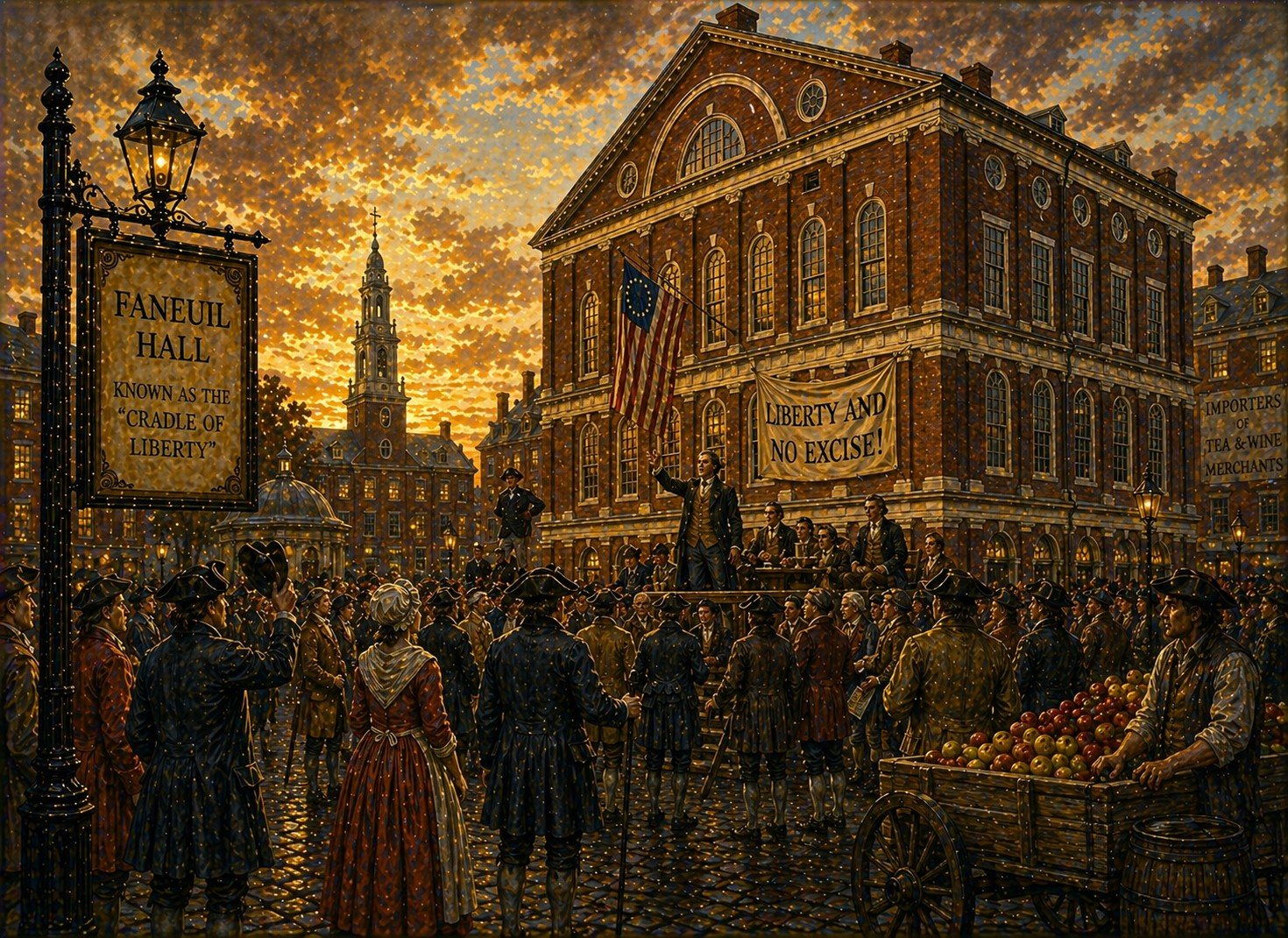
As part of the Freedom Trail, Old North Church represents the transition from political tension to active rebellion. Earlier sites along the trail, such as Old South Meeting House and Faneuil Hall, emphasize debate and protest. In contrast, Old North Church highlights the moment when preparations for conflict became urgent and coordinated. It underscores the importance of communication, planning, and cooperation in the revolutionary movement.
The surrounding North End neighborhood adds depth to the experience of visiting the church. As one of Boston’s oldest areas, it retains a street layout that dates back to the colonial period. Narrow streets, closely spaced buildings, and a strong sense of community reflect the environment in which the events of 1775 unfolded. Walking through the area helps visitors understand the physical context of the signal and the subsequent mobilization of colonial forces.
Inside the church, exhibits and interpretive materials provide further insight into its history. Visitors can see the space where the lanterns were hung and learn about the individuals involved in the signal, including Robert Newman and John Pulling, who carried out the task. These details highlight the collaborative nature of the effort and the risks taken by those involved.
Old North Church also reflects the broader relationship between religion and public life in colonial America. As an Anglican church, it was associated with the Church of England, which could have linked it to British authority. Yet its role in the revolutionary movement demonstrates how institutions could take on new meanings in times of political upheaval. The church became not just a place of worship, but a site of strategic importance.
Today, Old North Church remains an active Episcopal congregation while also serving as a major historic site. Its dual role mirrors that of many locations on the Freedom Trail, where history and contemporary life coexist. Services, events, and educational programs continue to take place, ensuring that the church remains a living part of the community.
The Old North Church stands as a symbol of communication, courage, and collective action. Its role in the events of April 1775 illustrates how a single, well-coordinated signal could influence the course of history. As part of the Freedom Trail, it offers visitors a powerful reminder that the American Revolution was not only shaped by battles and leaders, but also by ordinary individuals working together to achieve a common goal.