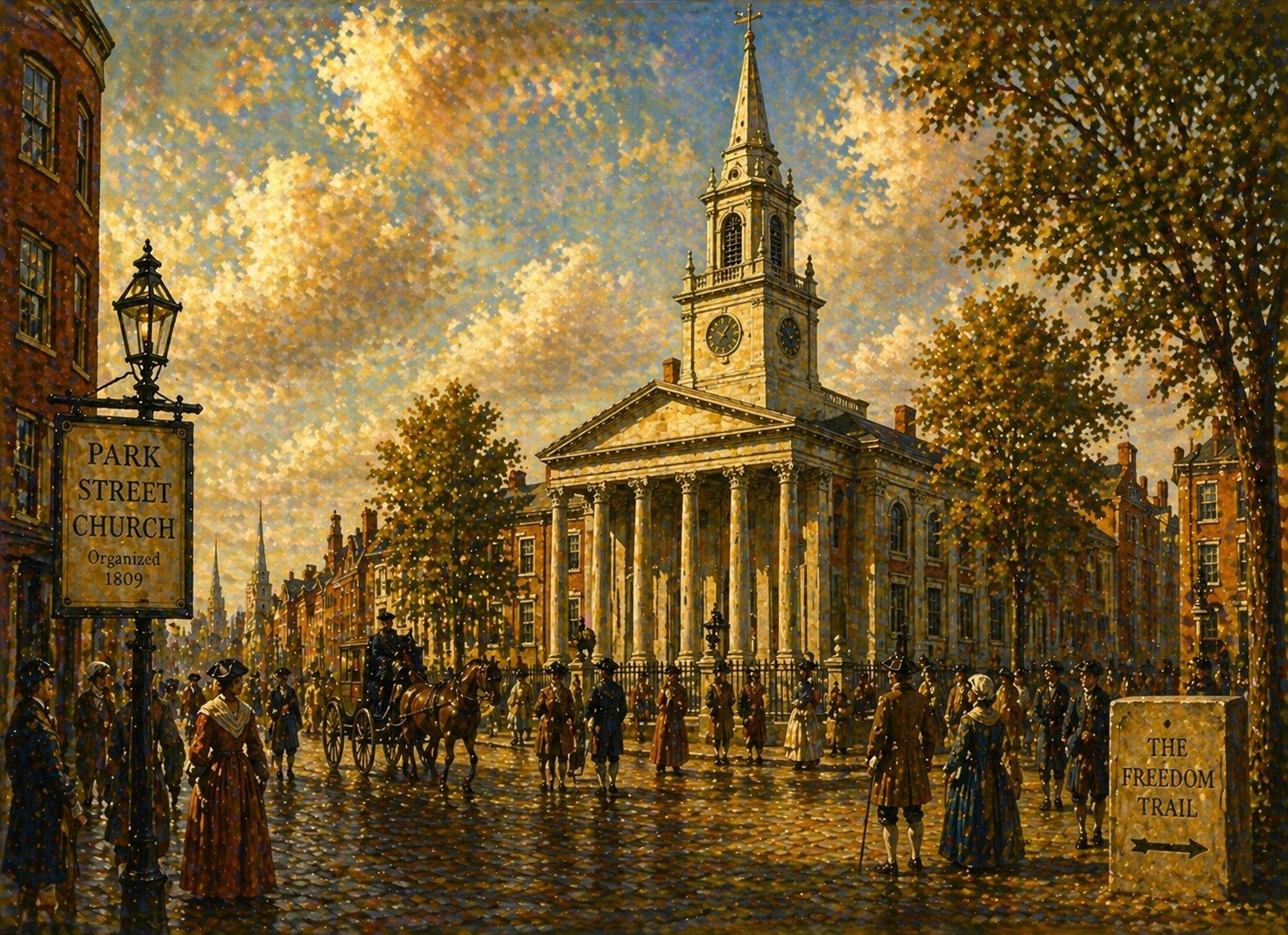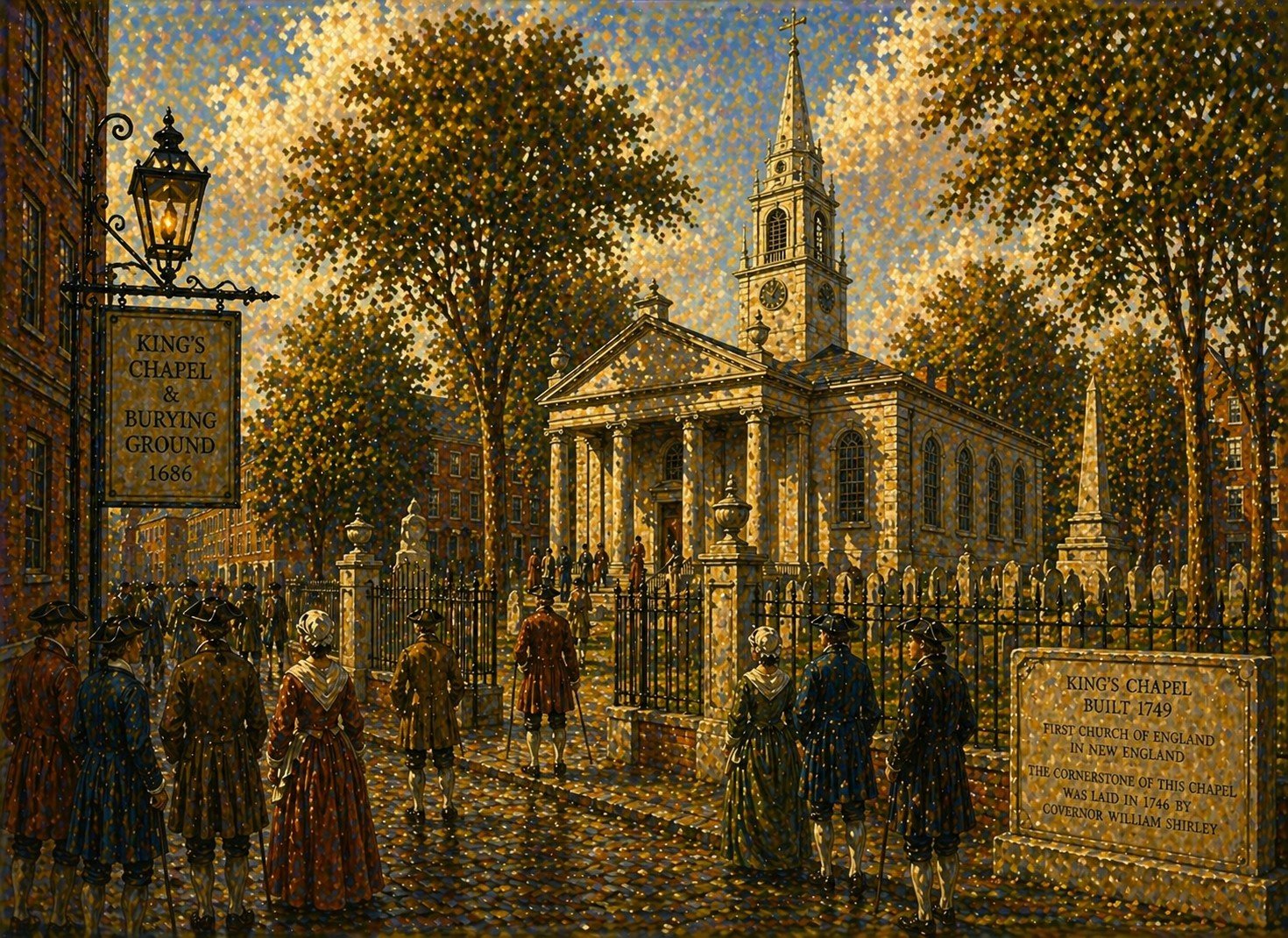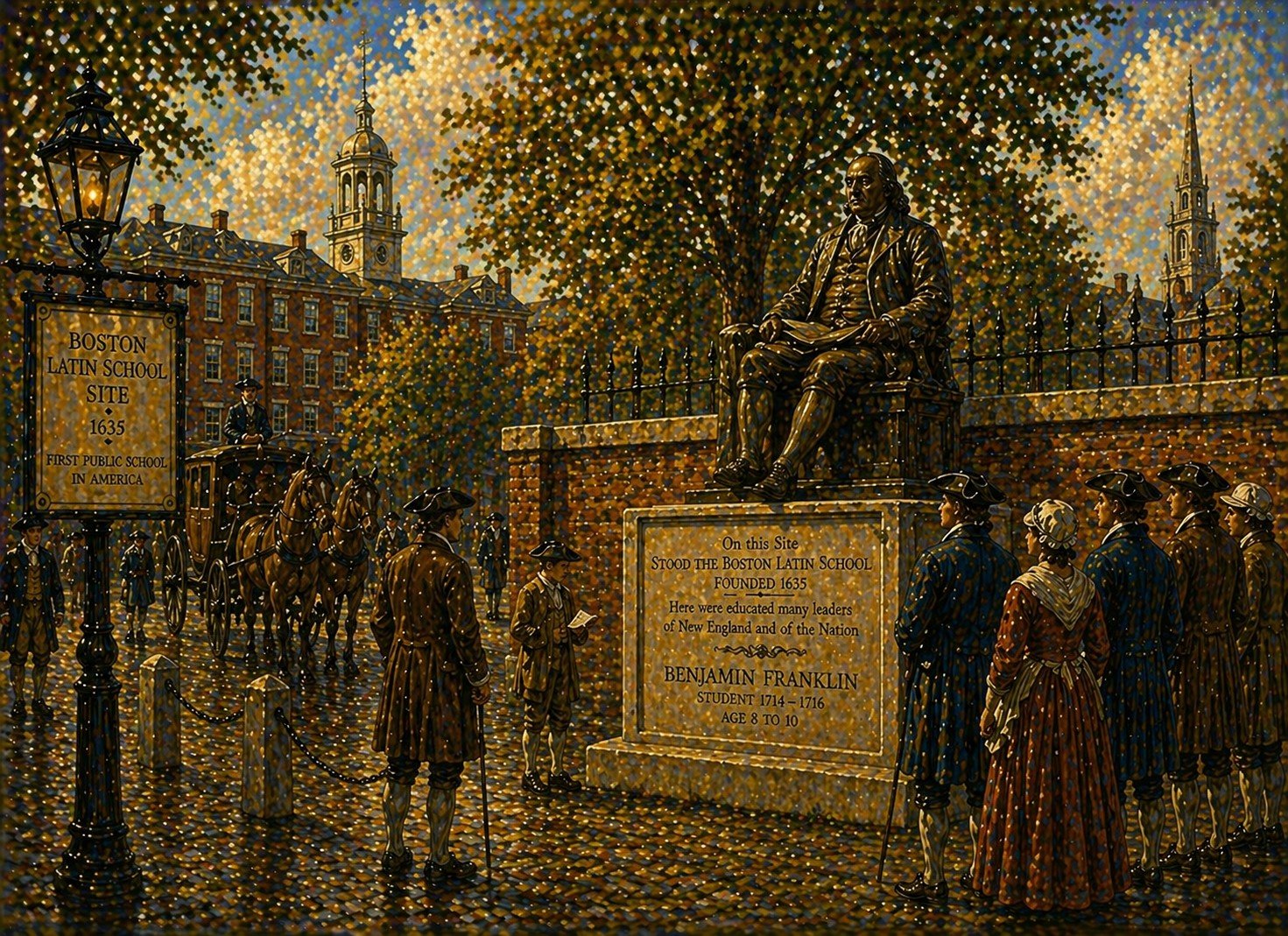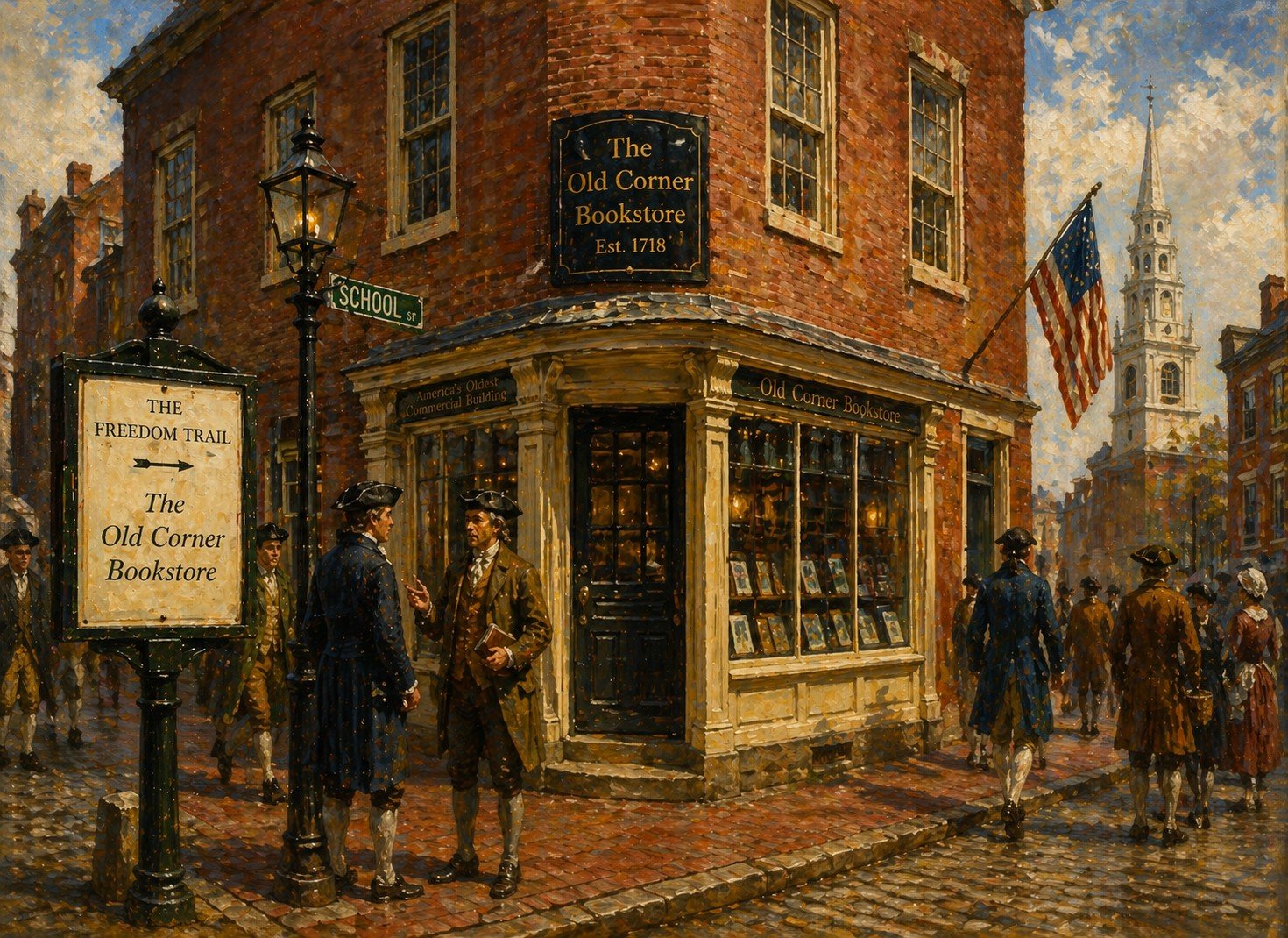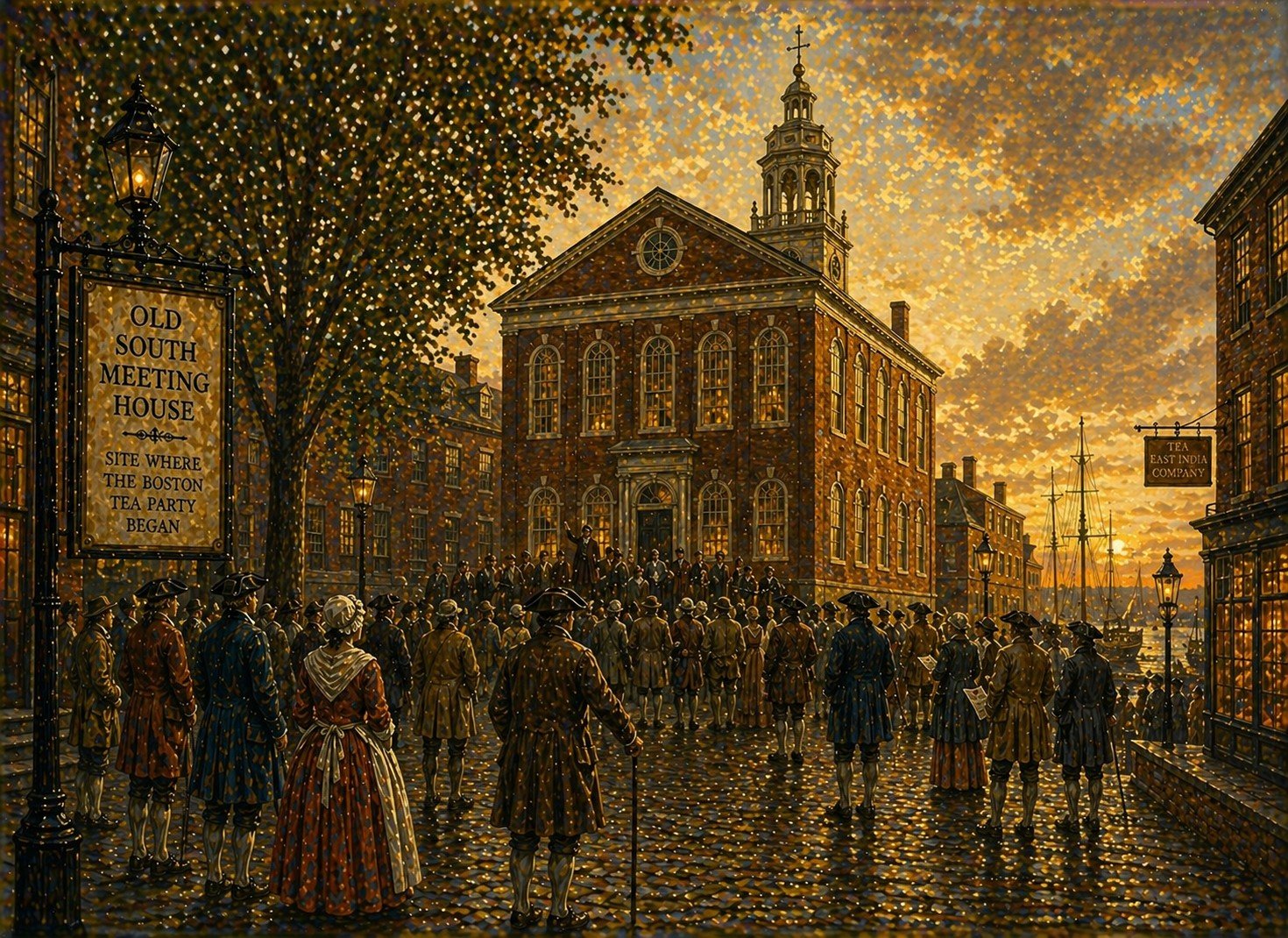
The Freedom Trail is one of the most famous historical walking routes in the United States, offering a structured journey through the key sites that shaped the nation’s early history. Stretching approximately 2.5 miles through Boston, the trail connects 16 historically significant locations, guiding visitors from the colonial period through the outbreak of the American Revolution and into the early years of the republic.
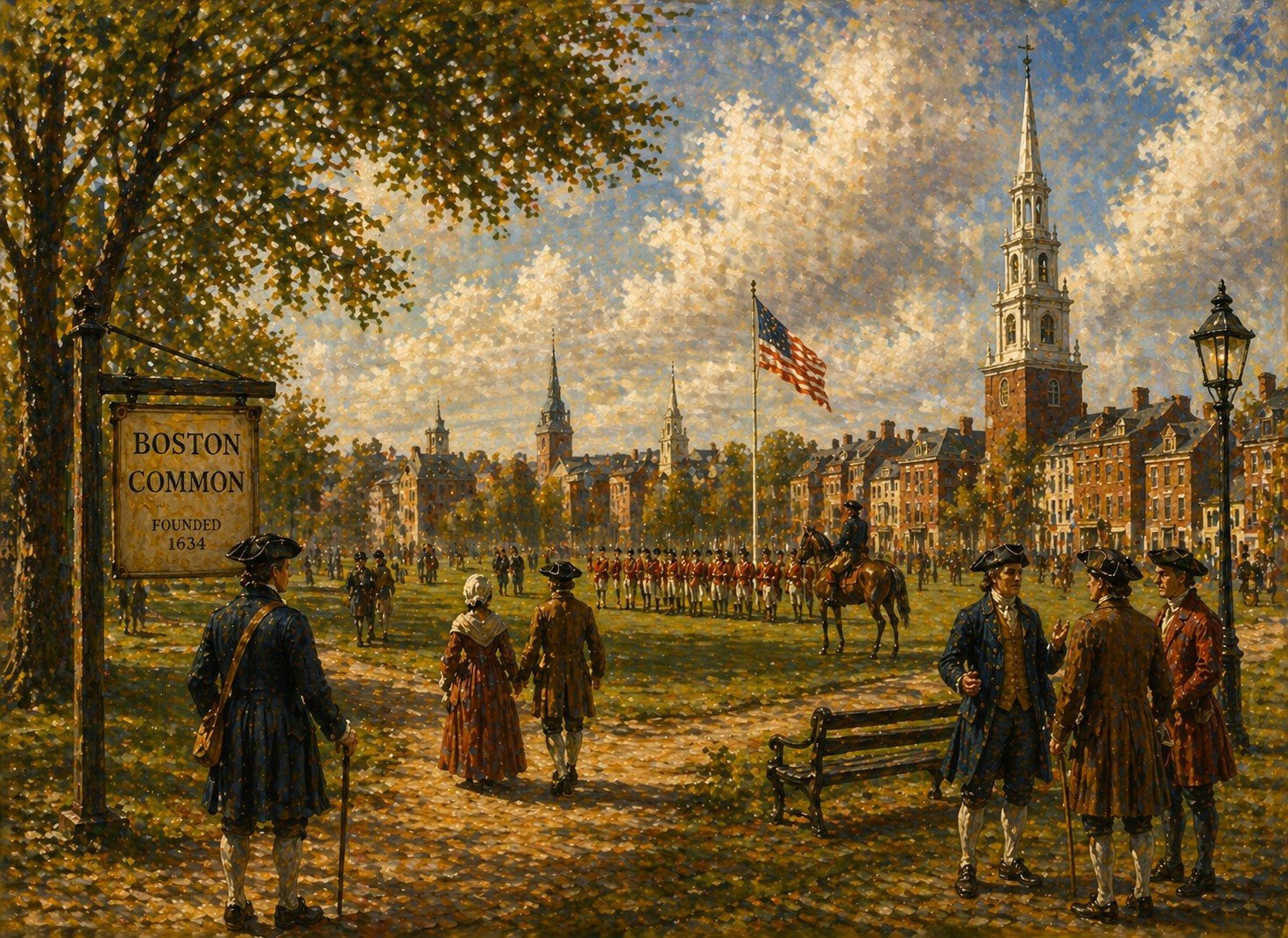
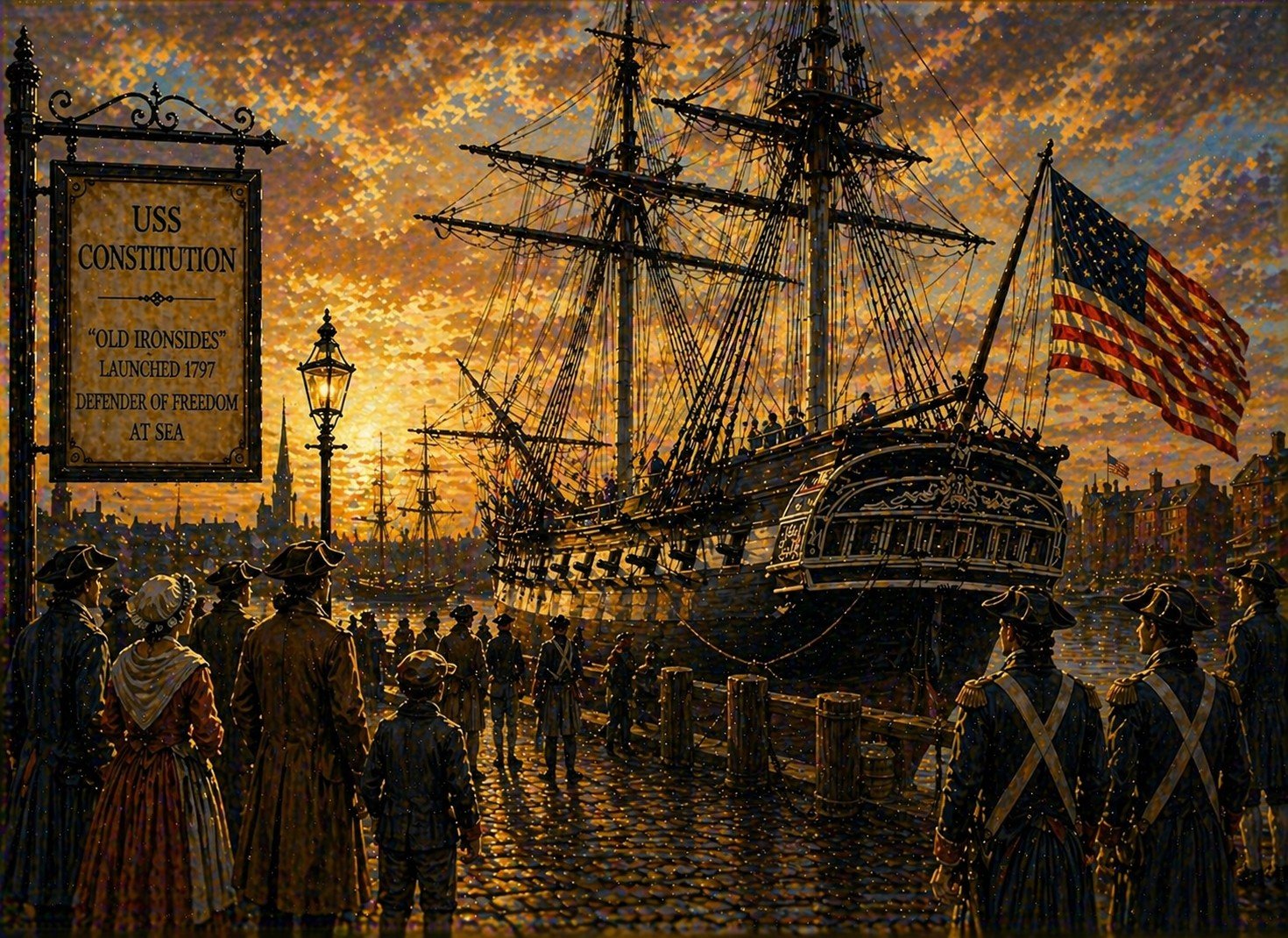
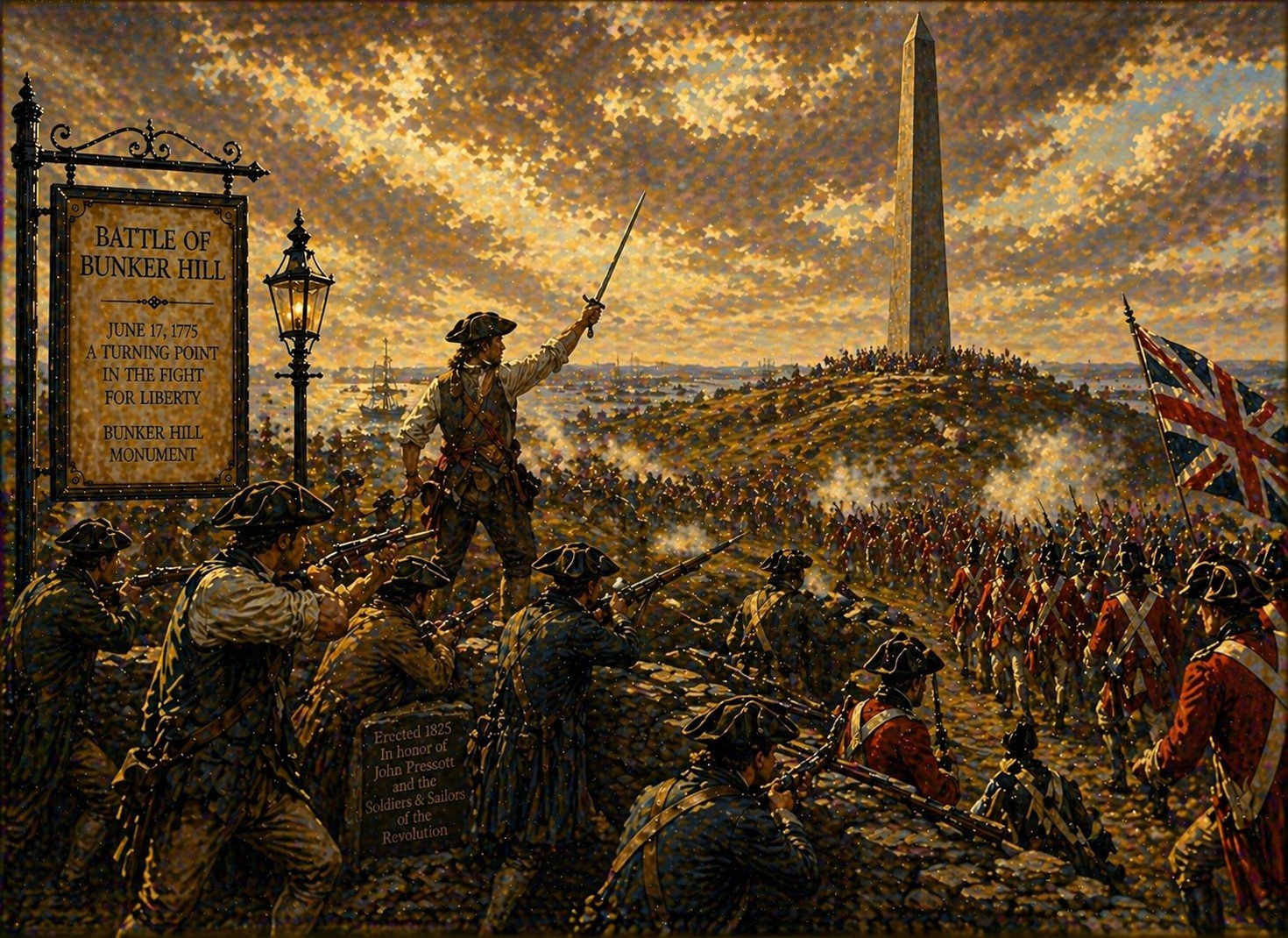
The trail begins at Boston Common, the oldest public park in the United States, established in 1634. From there, it winds through the city, marked by a distinctive red brick line embedded in sidewalks and streets. This simple yet effective design allows visitors to follow the route independently, moving from one site to the next whilst experiencing the urban landscape of Boston. The trail concludes in Charlestown at the Bunker Hill Monument and the USS Constitution, symbolically linking the beginnings of resistance to the defense of independence.
The concept of the Freedom Trail was developed in the mid-20th century as a way to preserve and highlight Boston’s rich historical heritage. In 1951, journalist William Schofield proposed creating a marked route that would connect the city’s most important historic sites. At a time when urban development threatened older structures, the idea helped to focus attention on preservation and public education. The city of Boston adopted the concept, and the trail was officially established soon after, with the red brick path becoming its defining feature.
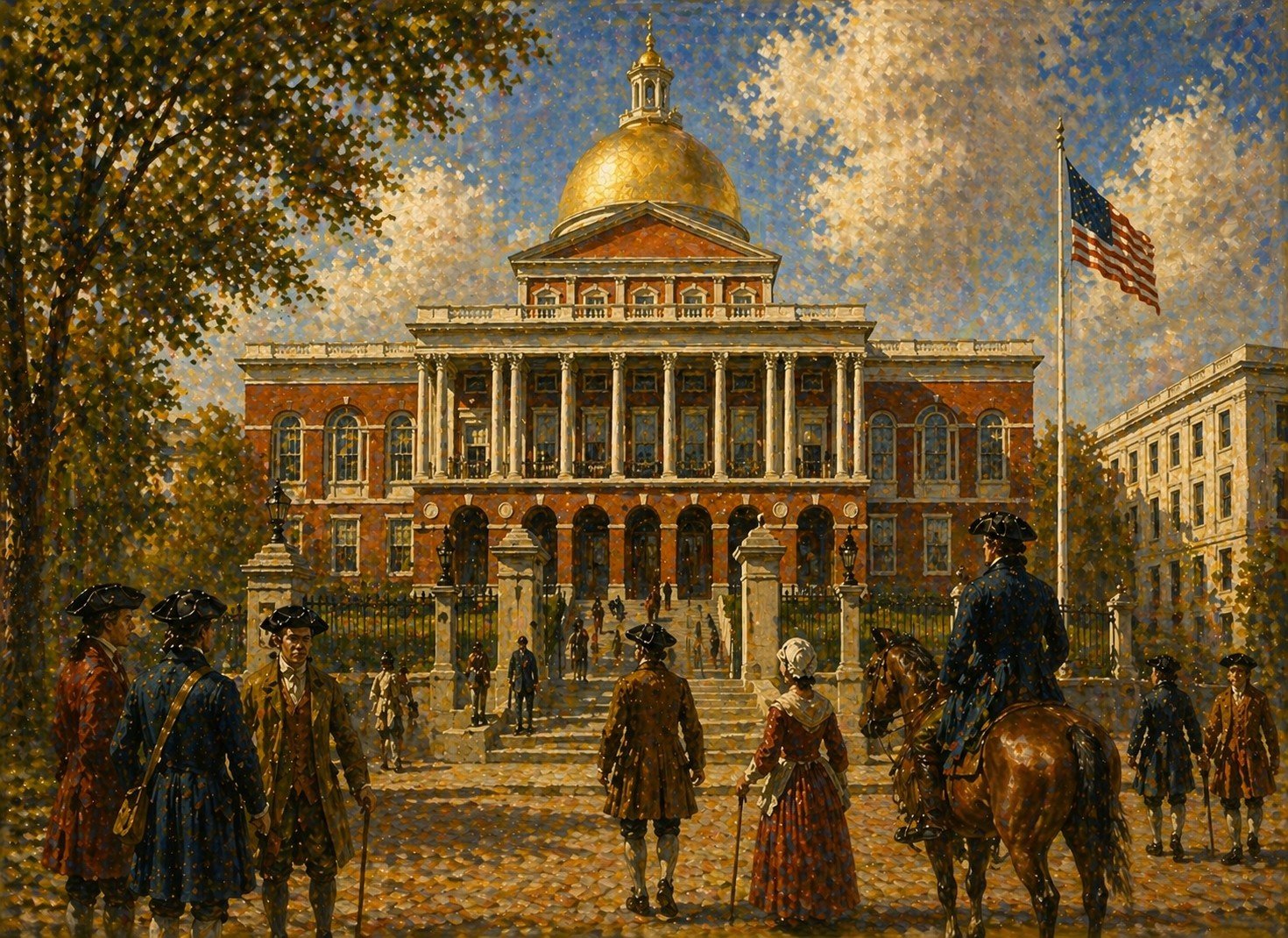
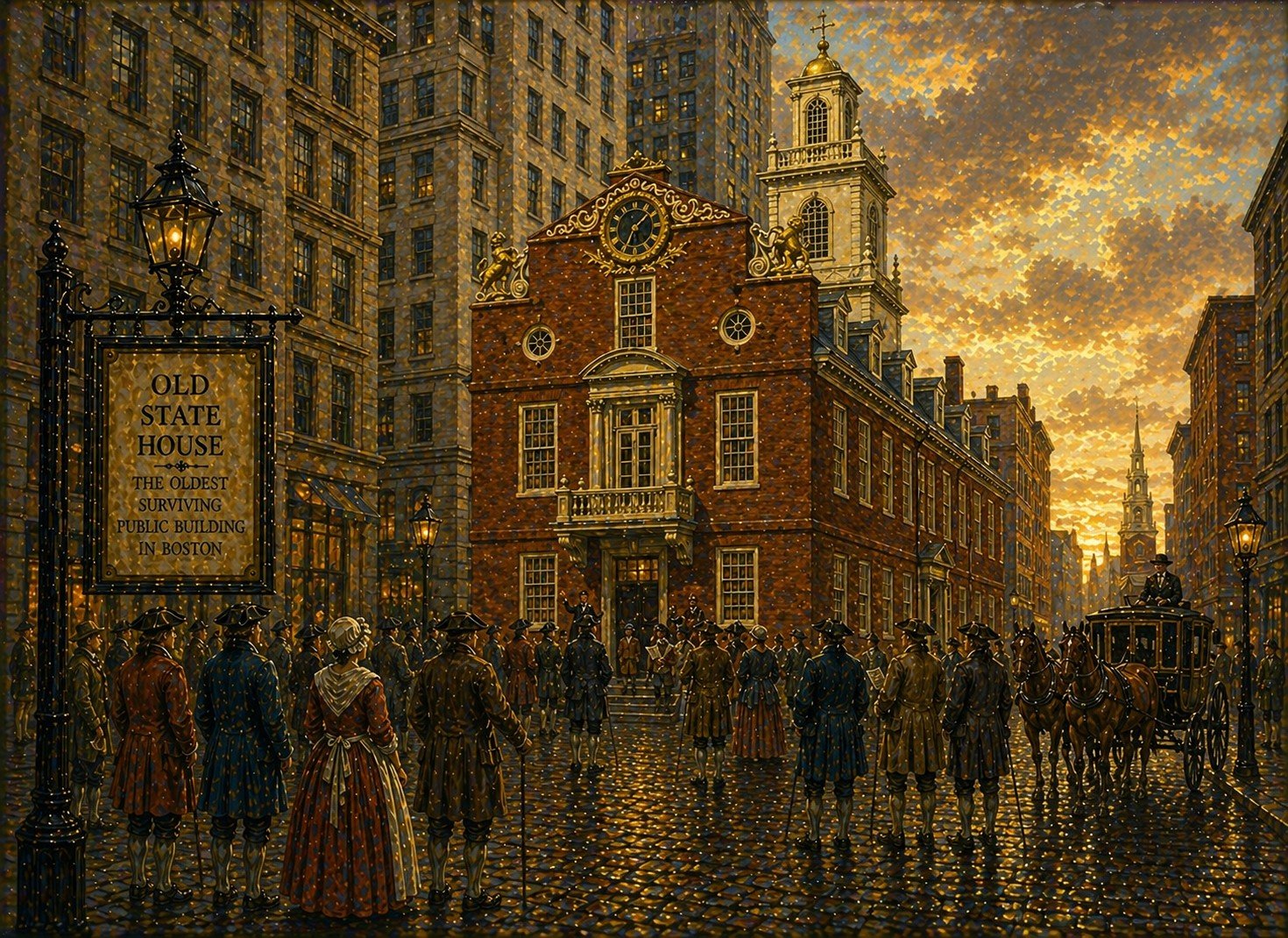
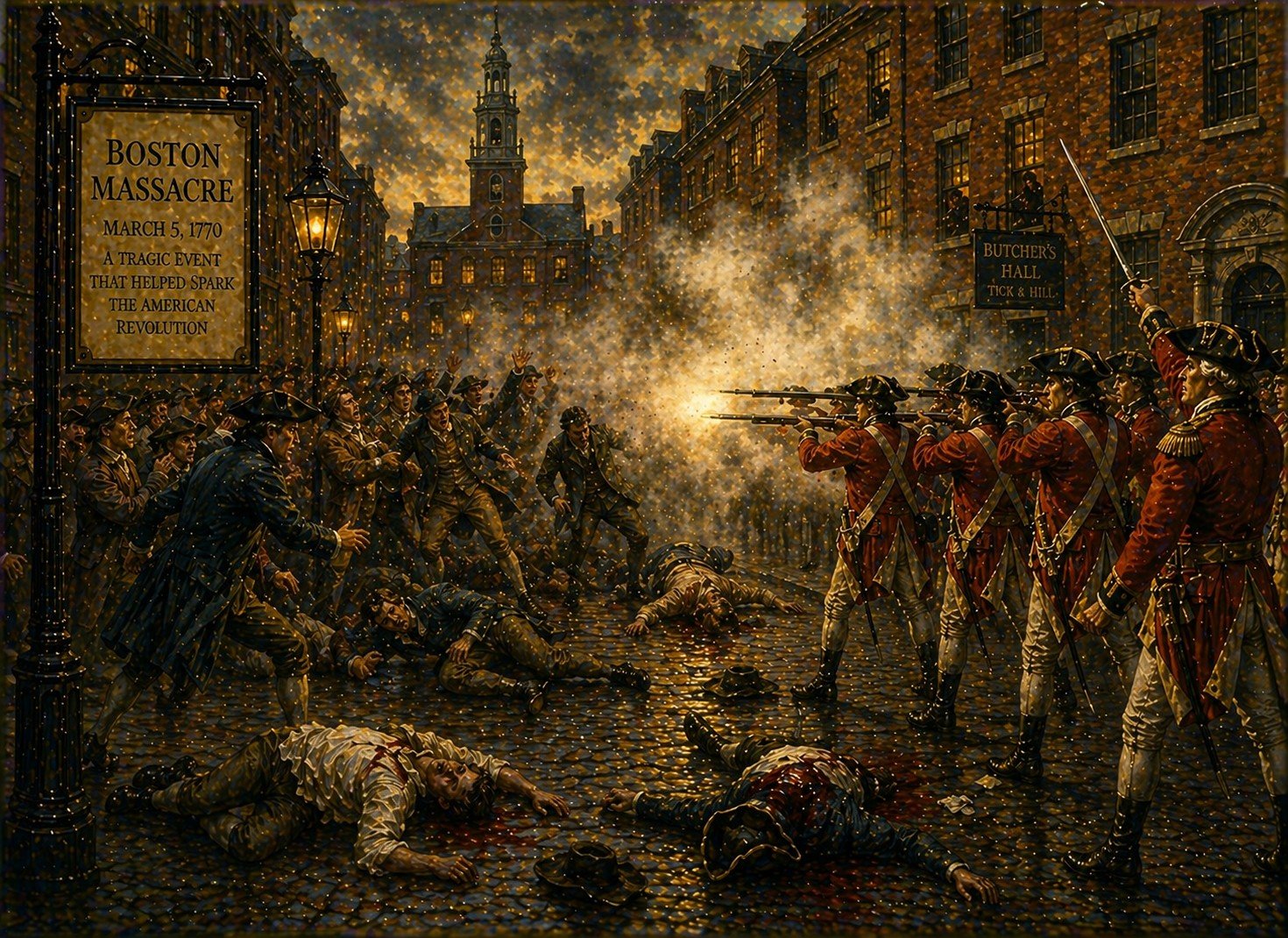
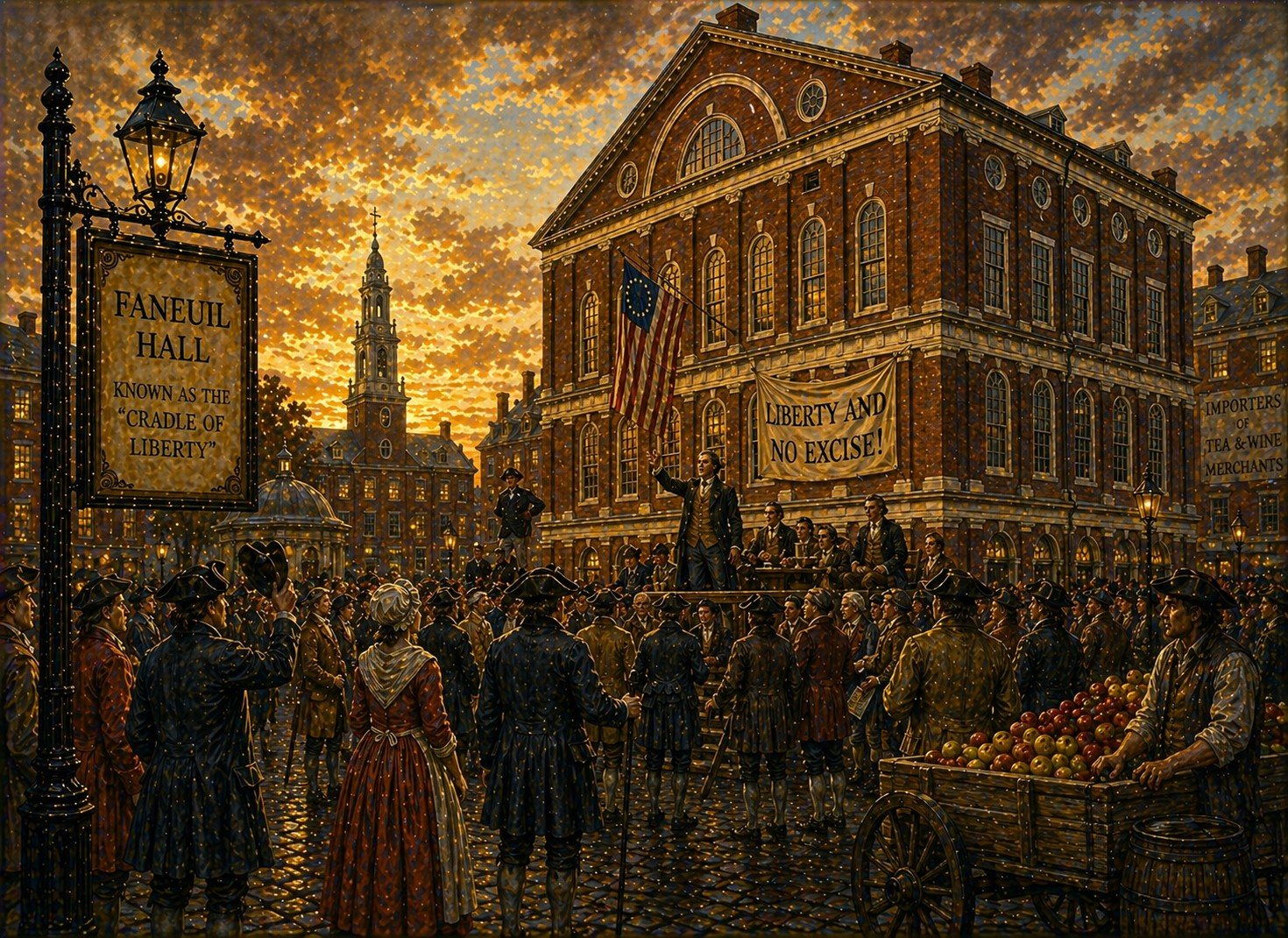
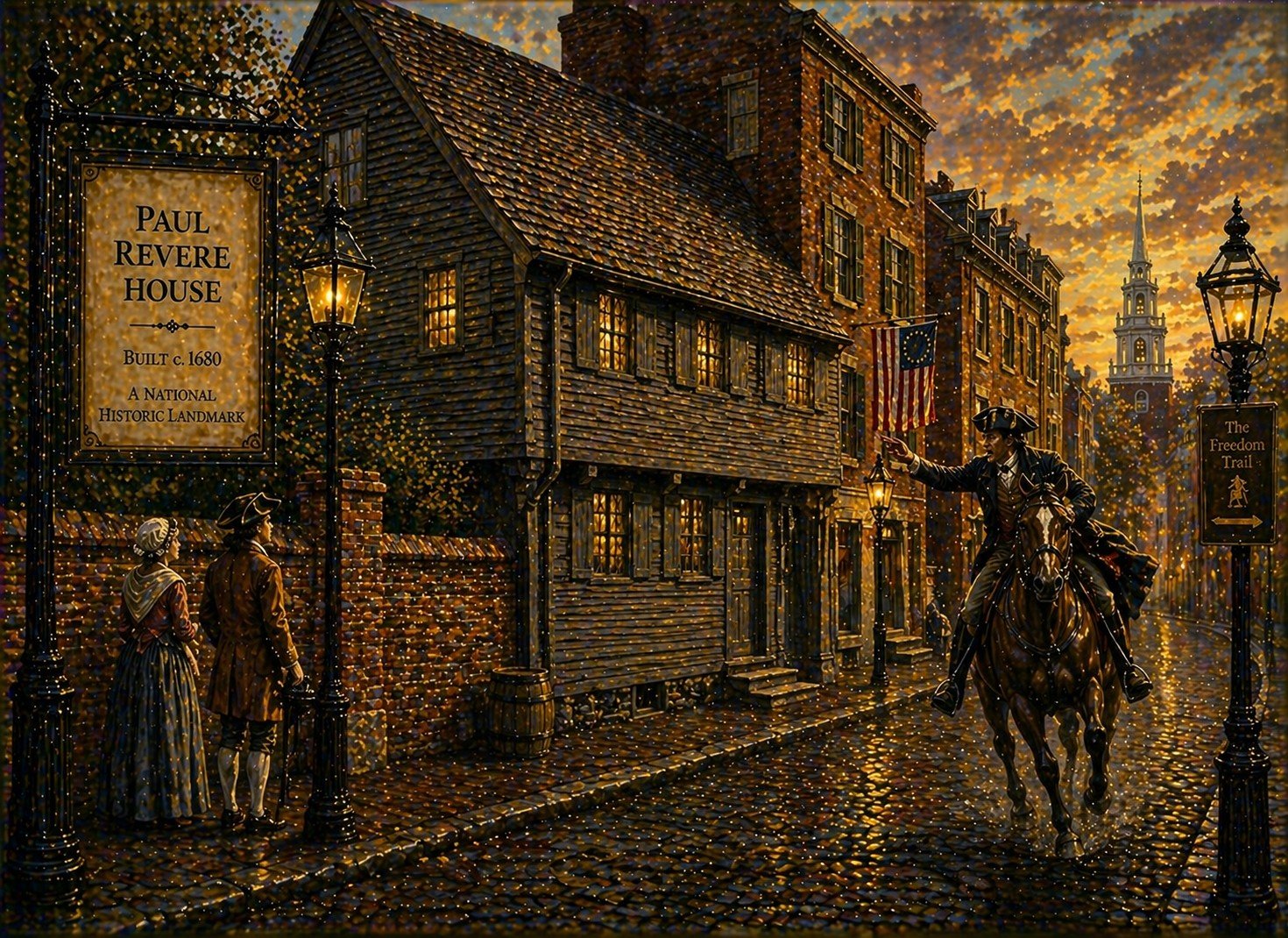
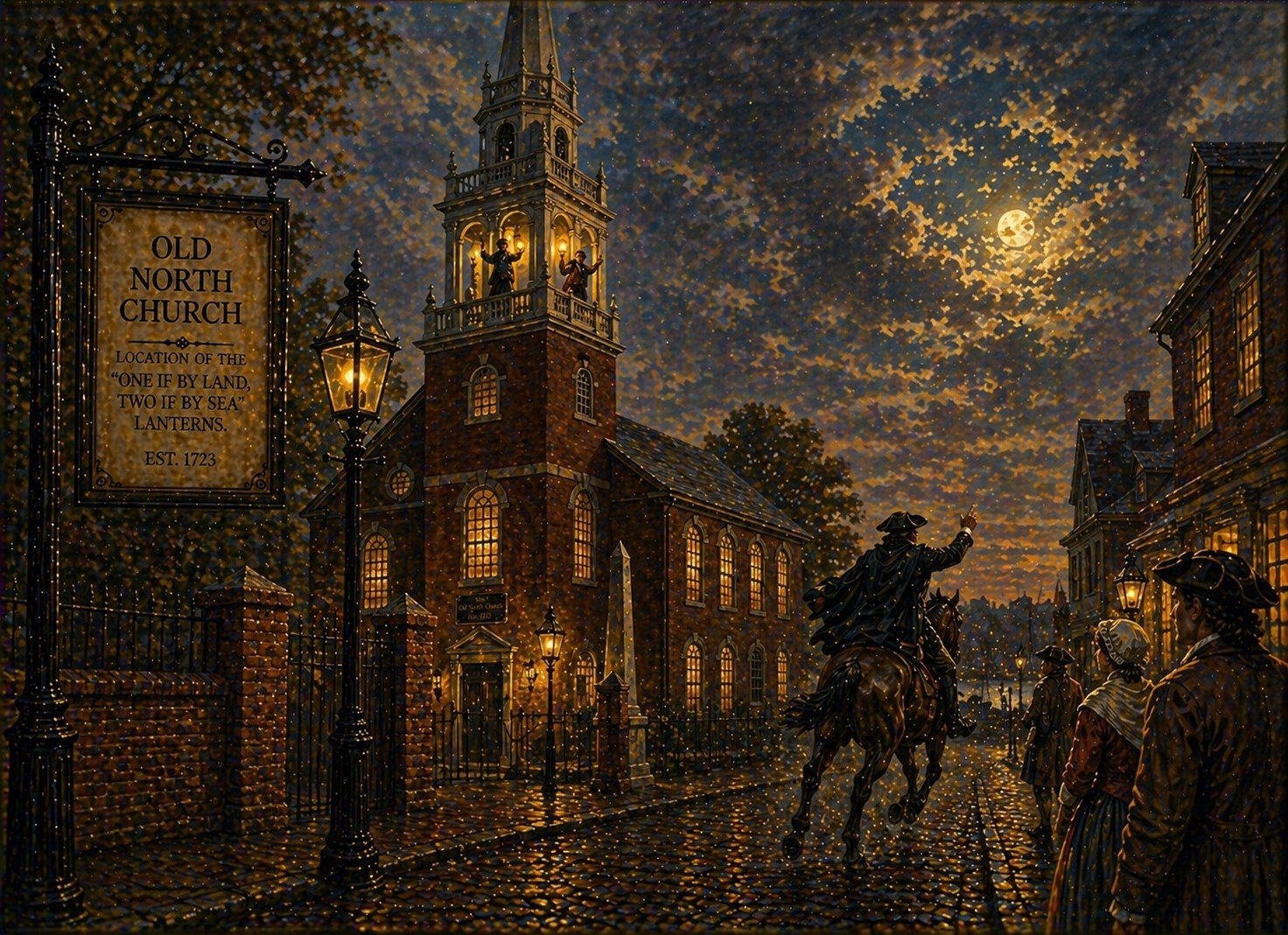
Each stop along the Freedom Trail contributes a different aspect to the overall narrative. Sites such as the Massachusetts State House and the Old State House highlight the development of political institutions, whilst locations like the Old South Meeting House and Faneuil Hall emphasize the importance of public debate and civic engagement. Other stops, including the Paul Revere House and the Old North Church, provide insight into the lives of individuals and the networks that supported the revolutionary cause.
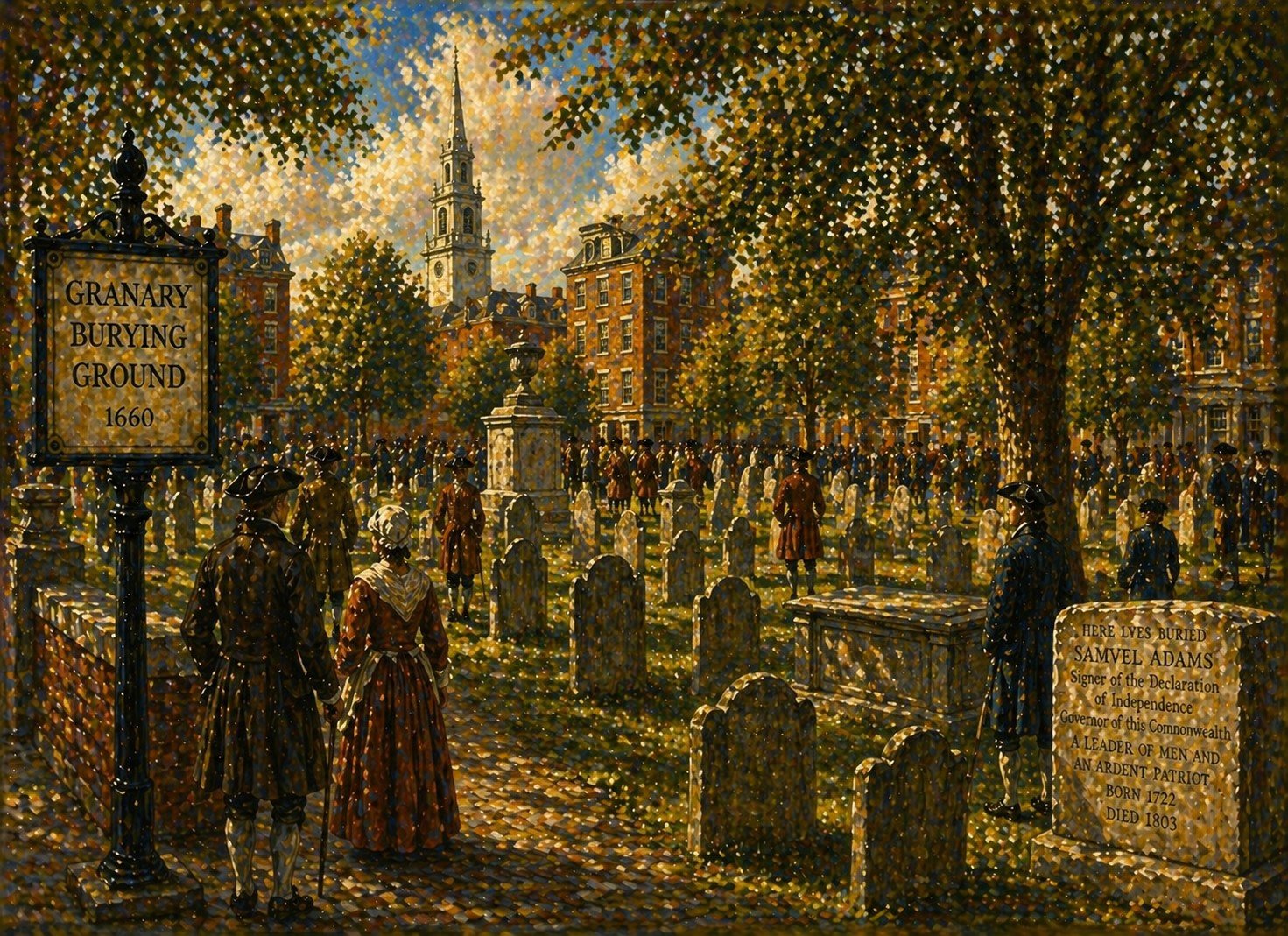
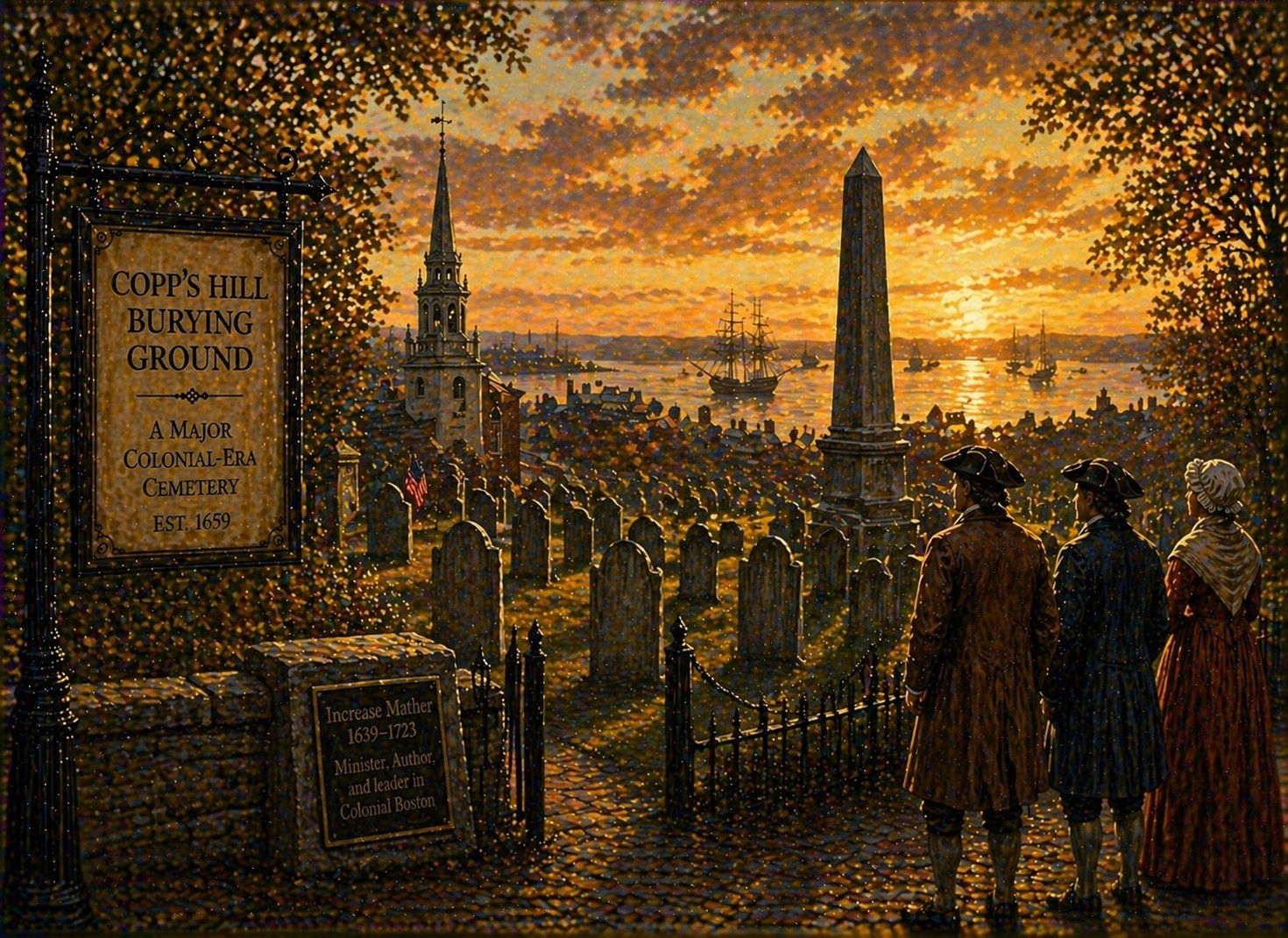
The trail also includes several historic burying grounds, such as the Granary Burying Ground and Copp's Hill Burying Ground, where many prominent figures of the colonial a nd revolutionary periods are interred. These sites add a reflective dimension to the experience, reminding visitors that the events of history were shaped by real people whose lives and legacies continue to be remembered.
One of the defining features of the Freedom Trail is its accessibility. Unlike a traditional museum, it allows visitors to engage with history in an open, urban environment. The trail passes through busy streets, quiet neighborhoods, and public spaces, creating a dynamic experience that blends past and present. This integration of history into the everyday fabric of the city makes the trail particularly engaging, as visitors can see how historical landmarks coexist with modern life.
The Freedom Trail also plays an important educational role. Guided tours, often led by costumed interpreters, provide context and storytelling that bring the sites to life. These tours help visitors understand not only what happened at each location, but also how the events are connected. The narrative structure of the trail encourages a deeper understanding of the causes, progression, and consequences of the American Revolution.
In addition to its historical significance, the Freedom Trail has become a major cultural and economic asset for Boston. It attracts millions of visitors each year, contributing to tourism and supporting local businesses. The trail’s popularity has also reinforced the importance of preserving historic sites, ensuring that they remain accessible to future generations.
The experience of walking the Freedom Trail is both physical and intellectual. As visitors move from one location to another, they follow a path that mirrors the progression of historical events, from early colonial settlement and growing dissatisfaction with British rule, to open conflict and the establishment of a new nation. This journey provides a comprehensive view of the forces that shaped the United States.
The Boston Freedom Trail is more than just a collection of historic sites. It is a carefully curated narrative that brings together places, people, and events into a cohesive story. By guiding visitors through the city’s past, it offers a deeper appreciation of the ideas and ideals that defined the nation’s founding. As both a historical resource and a living part of Boston, the Freedom Trail continues to serve as a powerful reminder of the enduring importance of history in shaping the present.