Boston Common is the oldest public park in the United States, established in 1634, and it serves as the traditional starting point of the Freedom Trail, a 2.5-mile route that connects many of the city’s most significant historical landmarks. Situated in the heart of Boston, the Common is both a historic site in its own right and a gateway into the story of the American Revolution.
Originally purchased from William Blaxton by the Puritan settlers, Boston Common was intended as shared grazing land for livestock. Over time, however, it evolved into a central civic space. By the 18th century, it had taken on multiple roles: a training ground for the local militia, a place for public gatherings, and, at times, a site for punishment and execution. Its open expanse made it ideal for drilling troops, including colonial forces who would later oppose British rule.
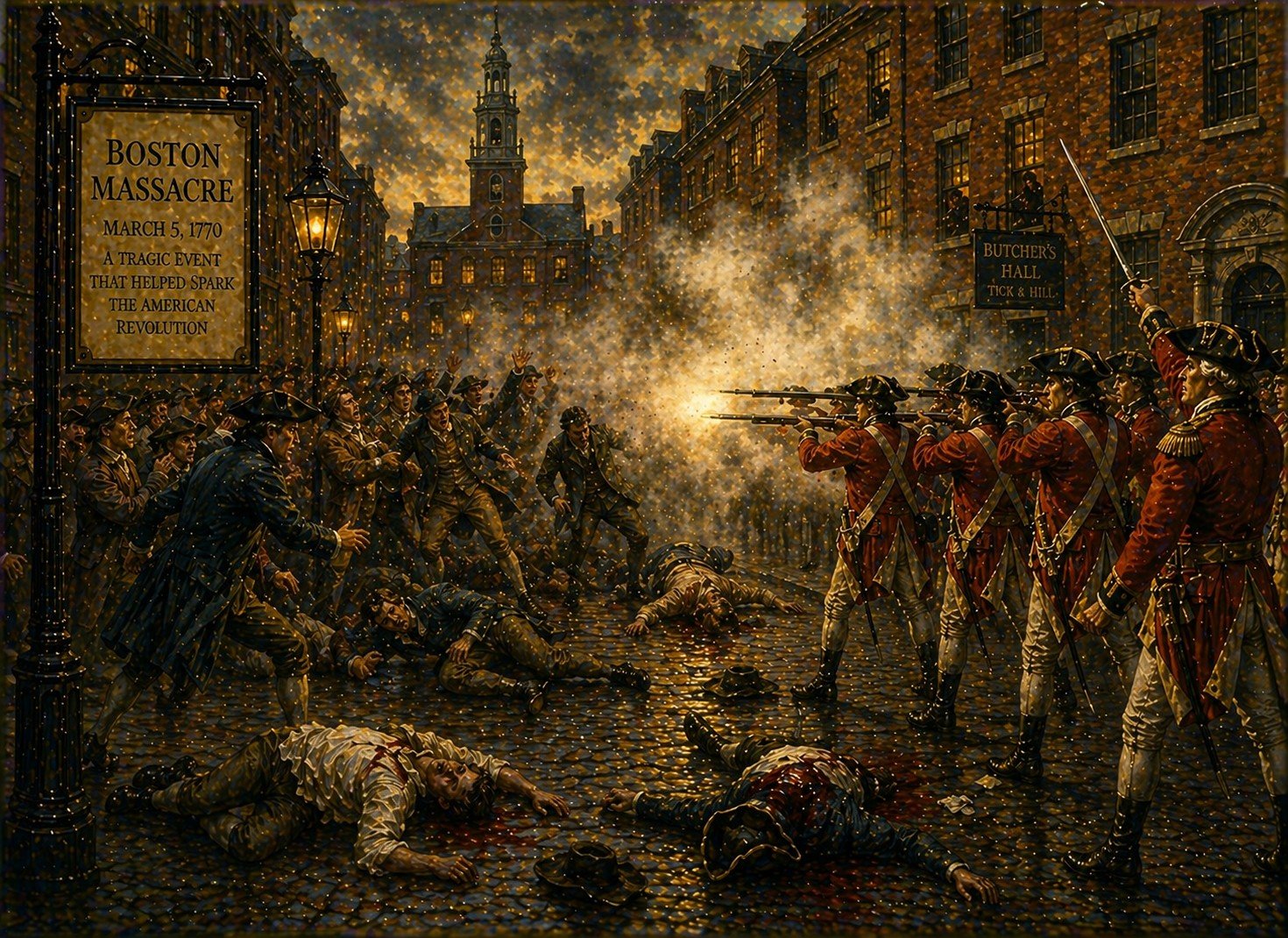
During the years leading up to the American Revolution, Boston Common was closely tied to the growing tensions between colonists and British authorities. British troops camped on the Common during the occupation of Boston in the late 1760s and early 1770s, turning it into a visible symbol of imperial control. For local residents, the presence of red-coated soldiers in what had been a communal space underscored the erosion of autonomy and contributed to rising unrest.
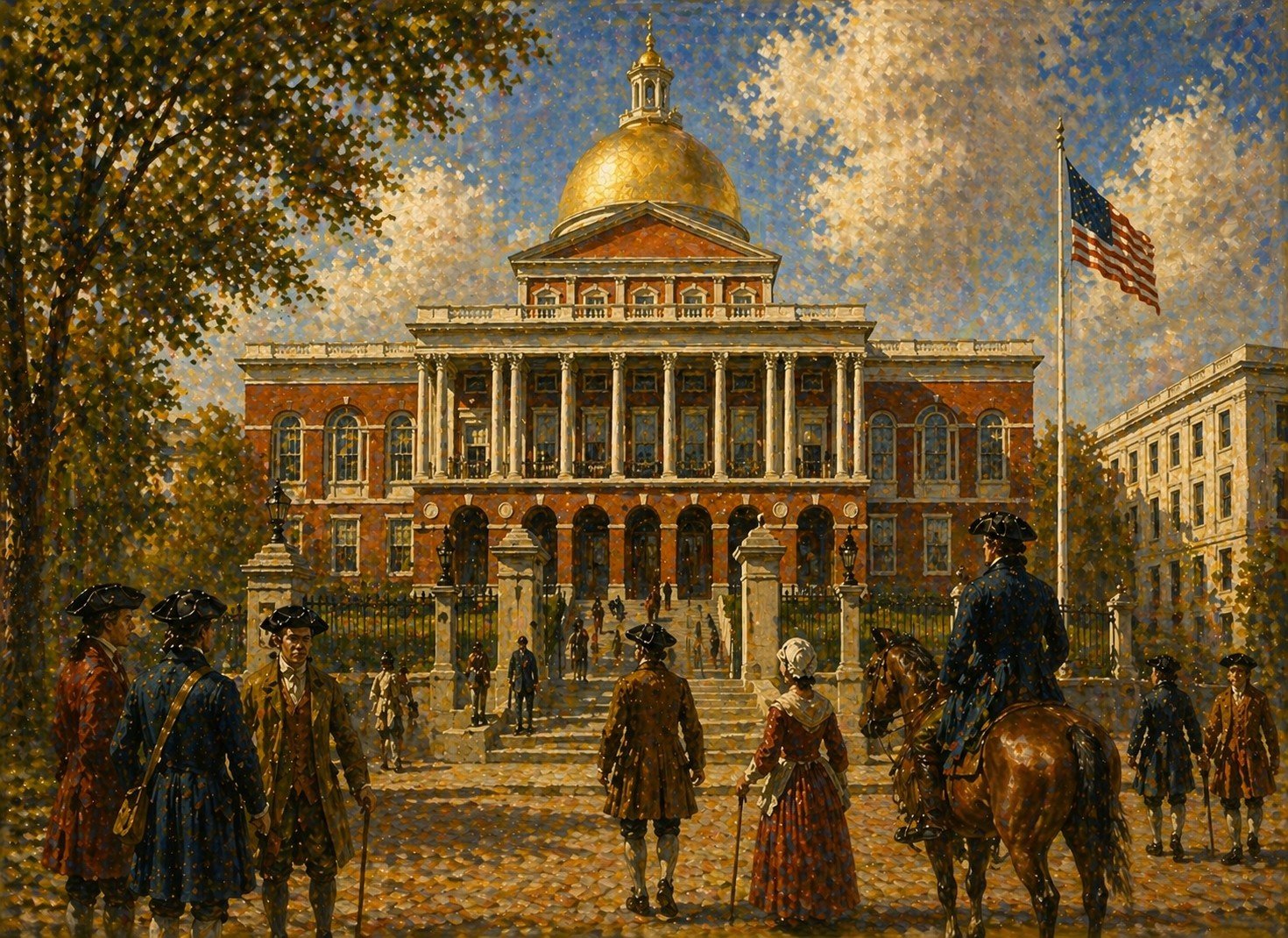
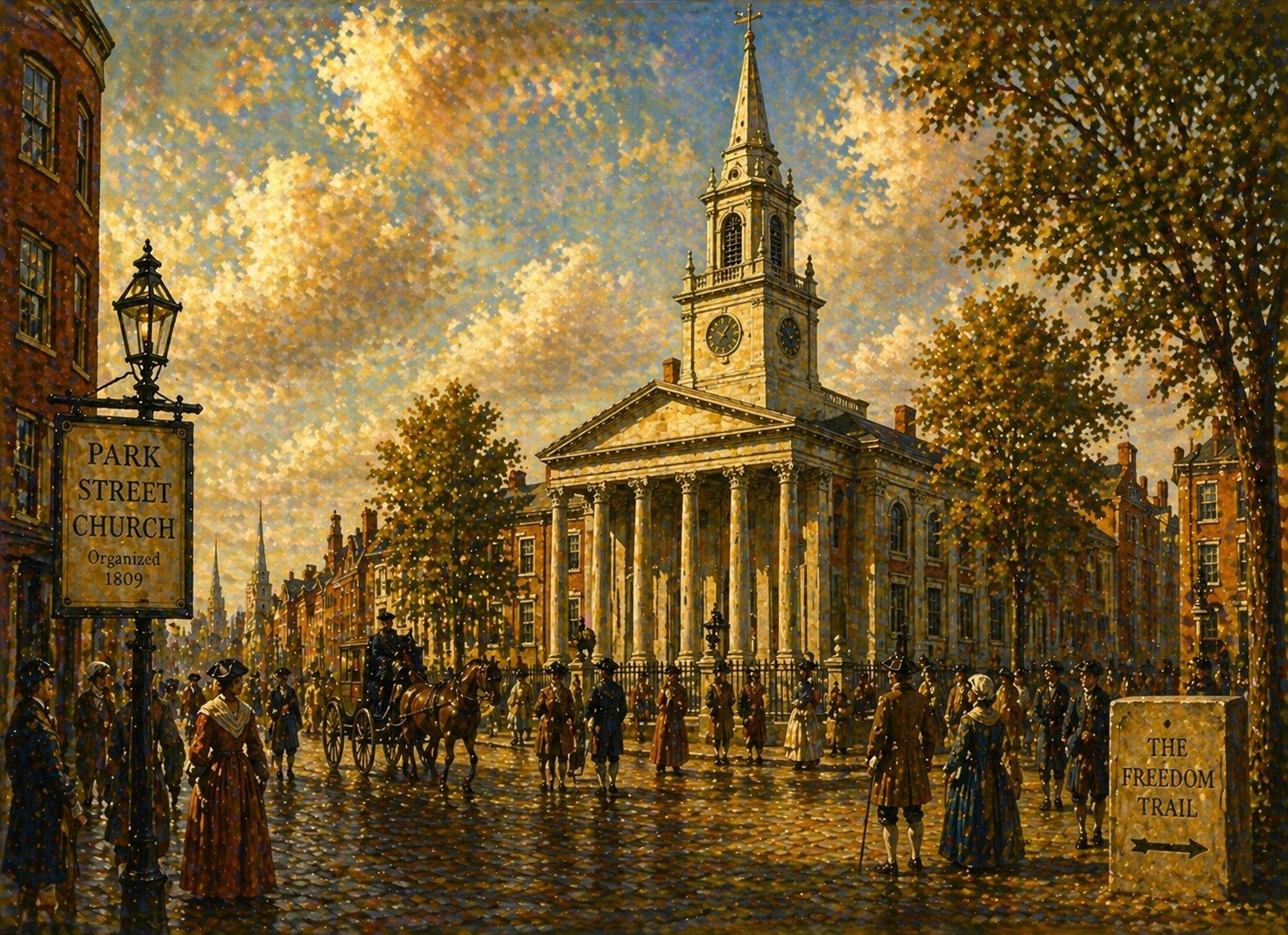
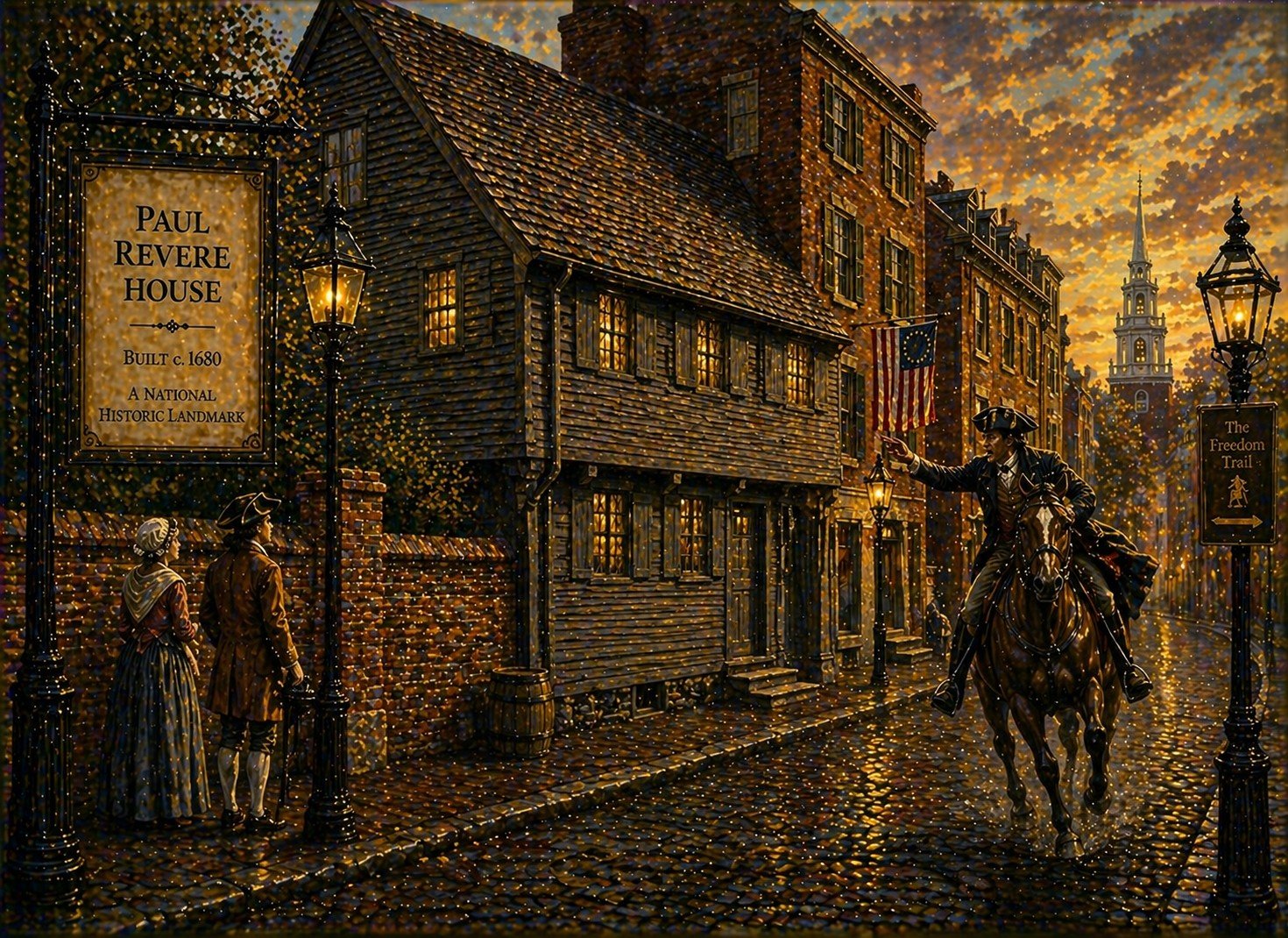
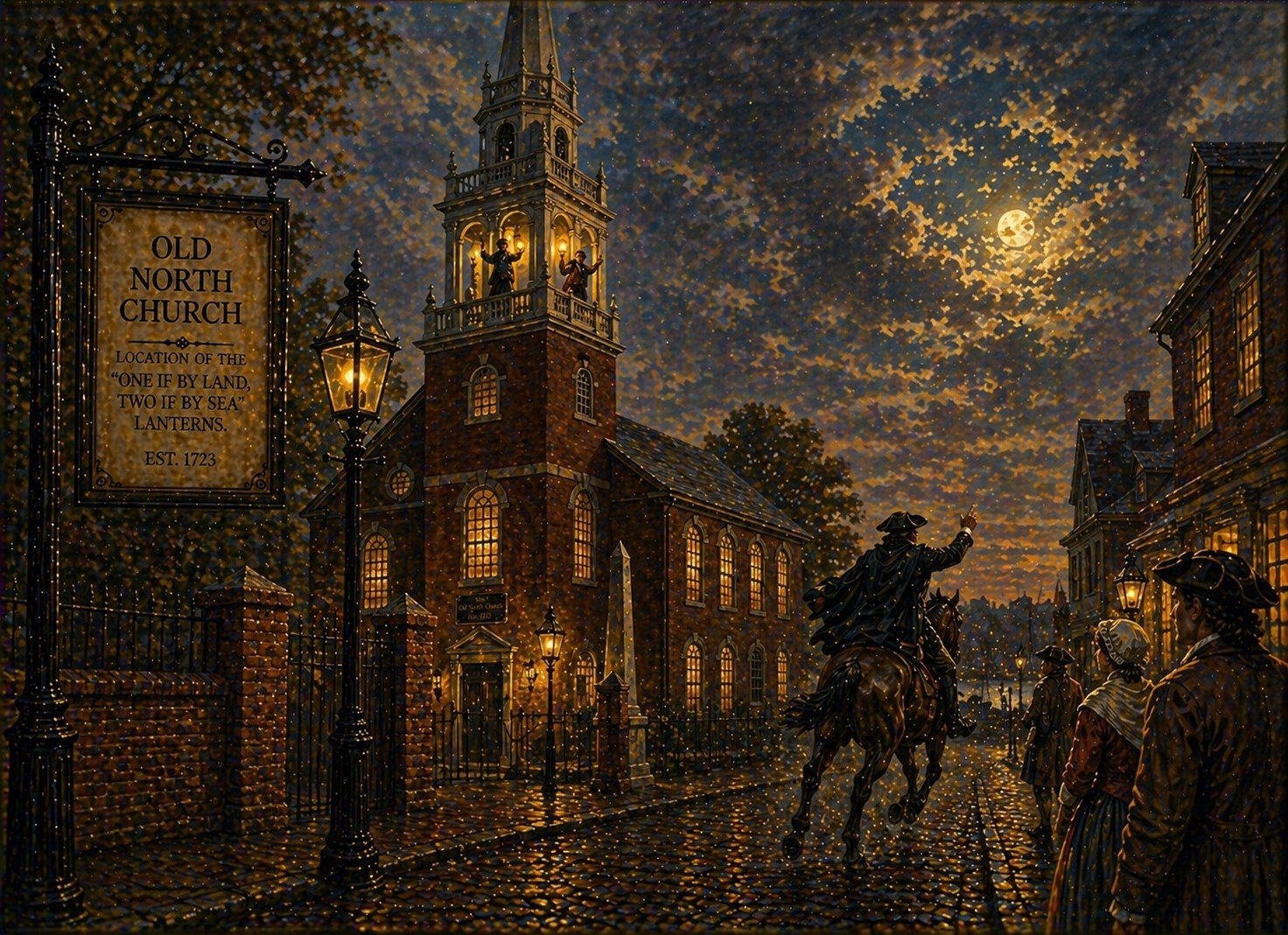
As the Freedom Trail begins at Boston Common, it symbolically places visitors at the intersection of everyday colonial life and revolutionary change. The trail itself is marked by a distinctive red brick line that winds through the city, guiding visitors to sites such as the Massachusetts State House, Park Street Church, and beyond. Starting at the Common allows visitors to step directly into a landscape that witnessed the early stirrings of resistance and transformation.
One of the most recognizable features of Boston Common today is the Frog Pond, which serves as a reflecting pool in the warmer months and an ice-skating rink in winter. While this feature is modern, it sits within a space layered with centuries of history. The park’s pathways, monuments, and open fields reflect its evolution from a utilitarian common ground to a carefully maintained urban park.
The Common also connects seamlessly with the adjacent Public Garden, America’s first botanical garden, though the two spaces developed at different times and for different purposes. Together, they form a large green corridor in the center of Boston, offering both recreational space and historical continuity.
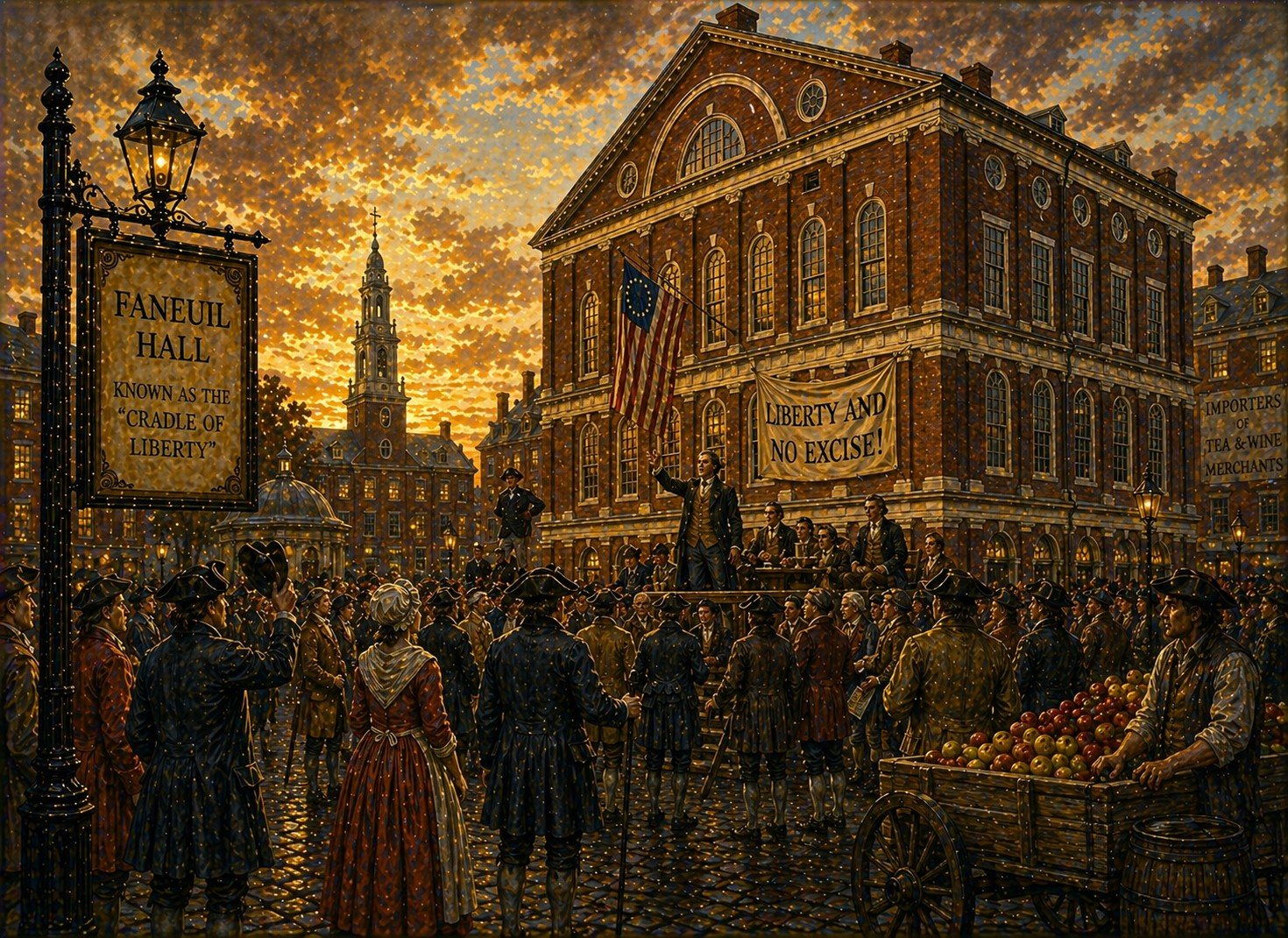
As the starting point of the Freedom Trail, Boston Common plays an important interpretive role. Visitors often gather here before beginning their journey through Boston’s revolutionary past. Guided tours frequently start on the Common, where historians and reenactors introduce the broader narrative of colonial life, British occupation, and the path to independence. This framing helps contextualize the sites that follow along the trail.
Beyond its historical significance, Boston Common remains an active and vibrant public space. It hosts events, concerts, protests, and celebrations, continuing its long tradition as a gathering place for civic life. In this sense, it mirrors its past role as a focal point for community activity, even as the nature of that activity has changed over time.
The enduring importance of Boston Common lies in its dual identity. It is both a historic site that witnessed key moments in early American history and a living public space that continues to serve the people of Boston. As the starting point of the Freedom Trail, it invites visitors to begin a journey not just through physical landmarks, but through the ideas and visions that shaped the United States. Boston Common is more than just a park. It is a place where history is layered into the landscape, where the past and present coexist, and where the story of a nation’s founding can begin with a simple step onto a red brick path.