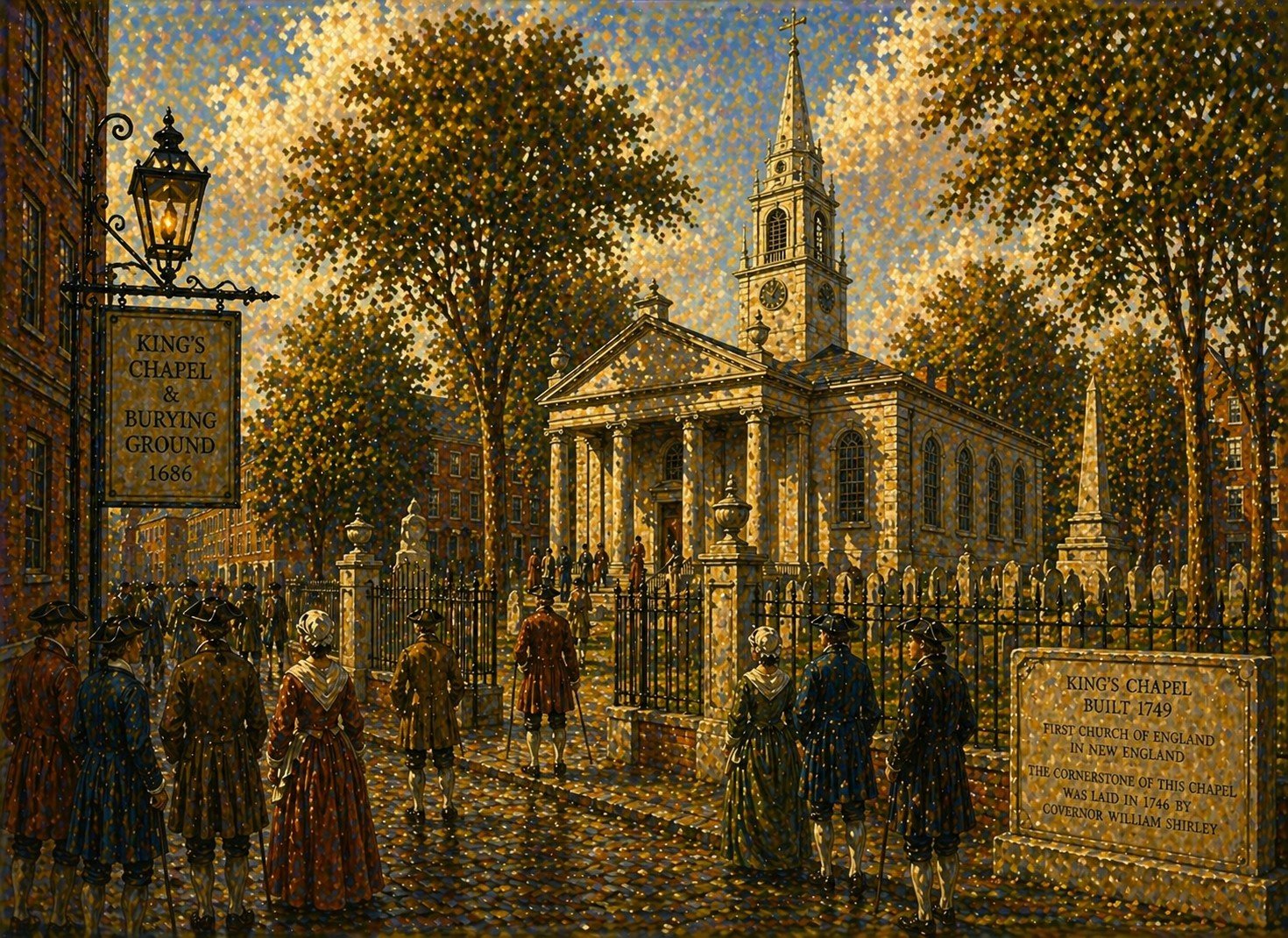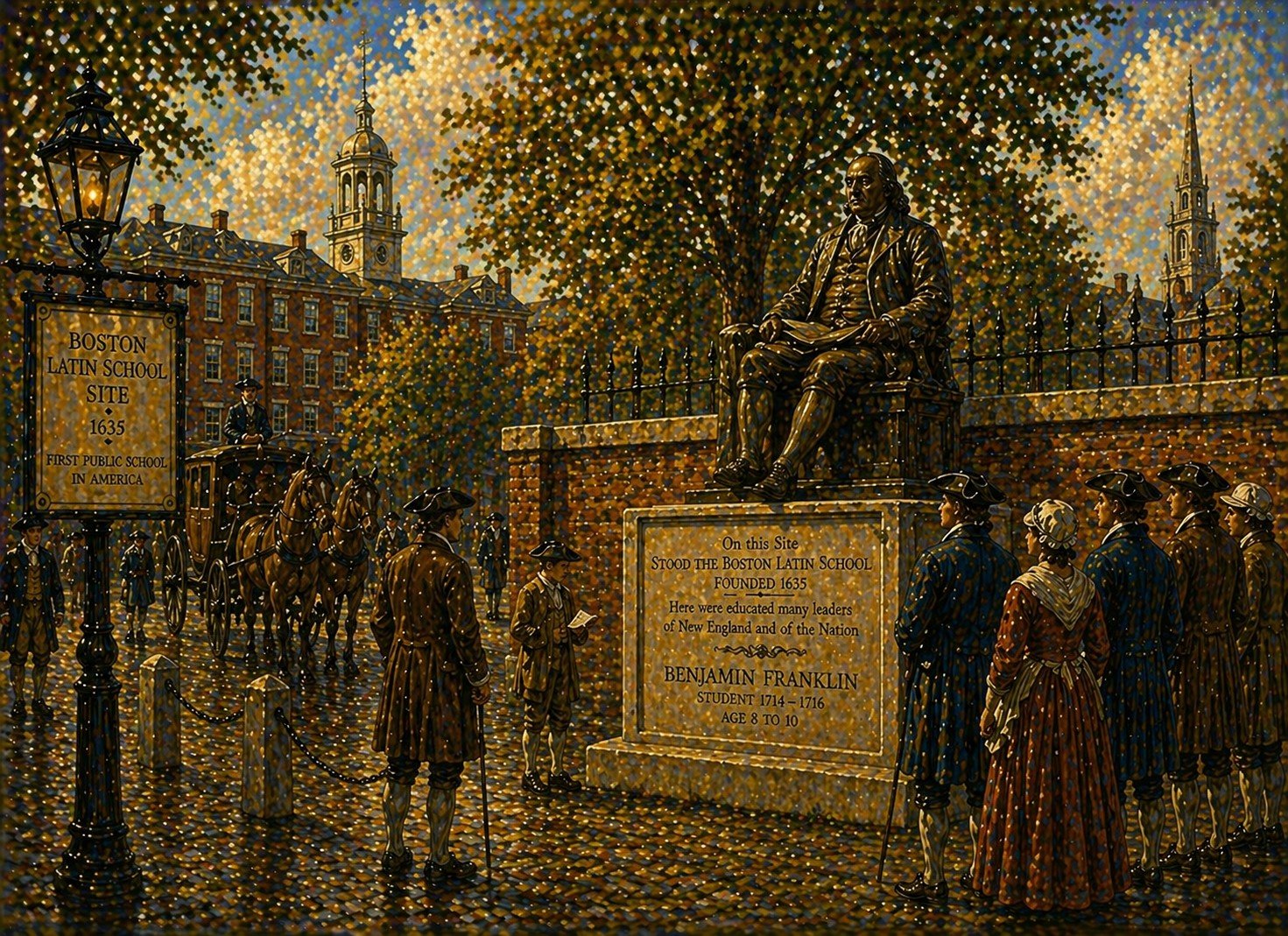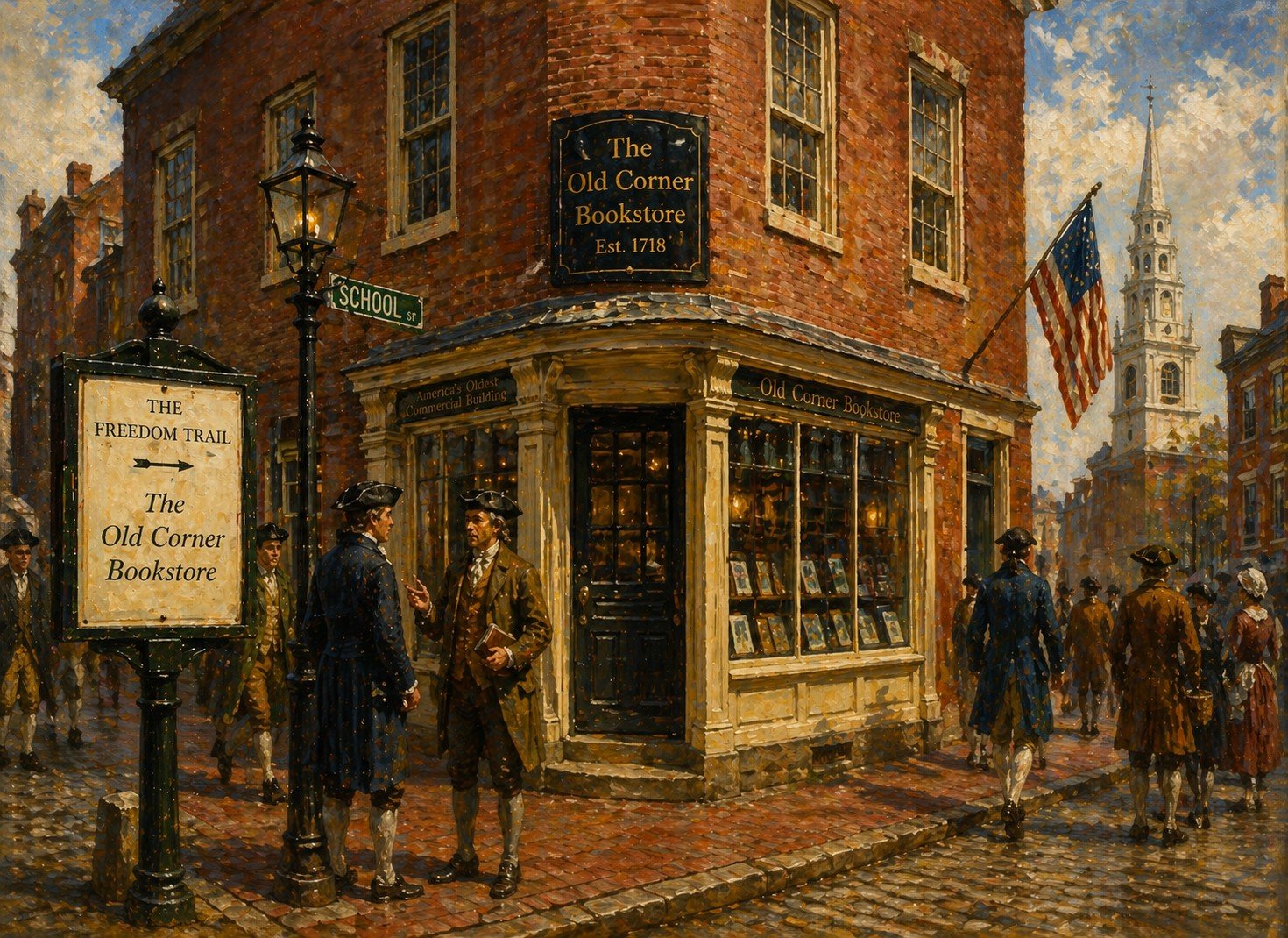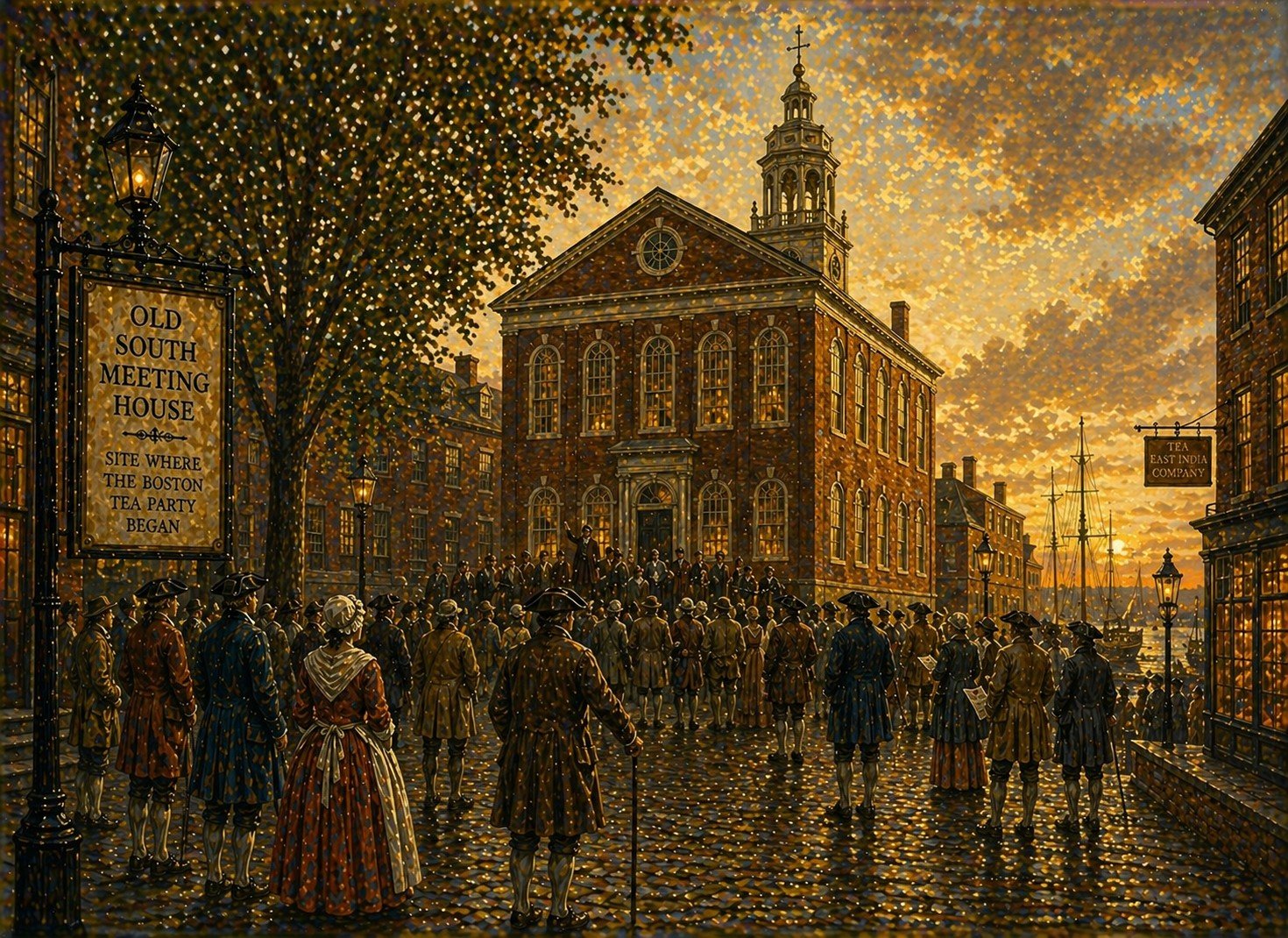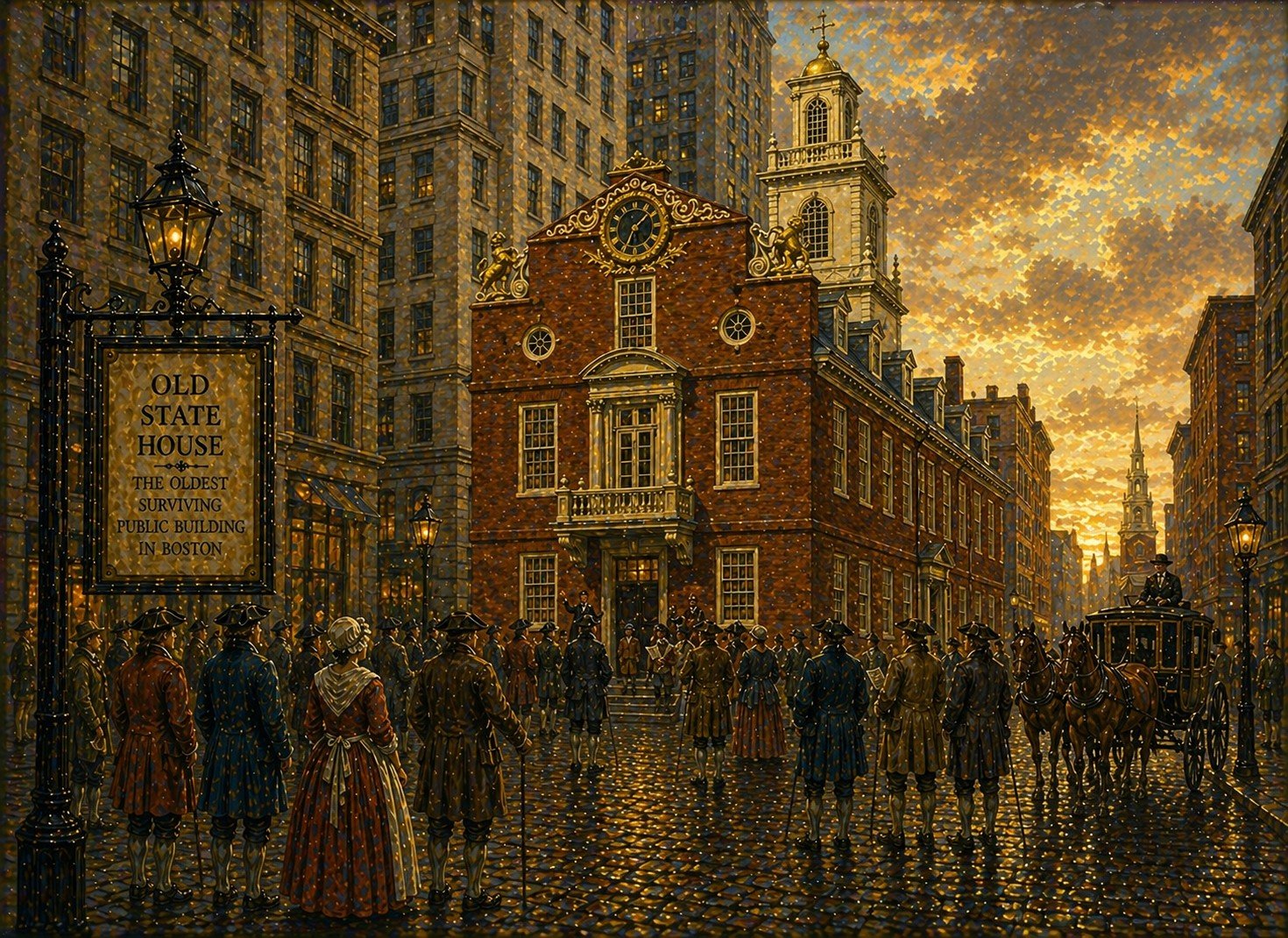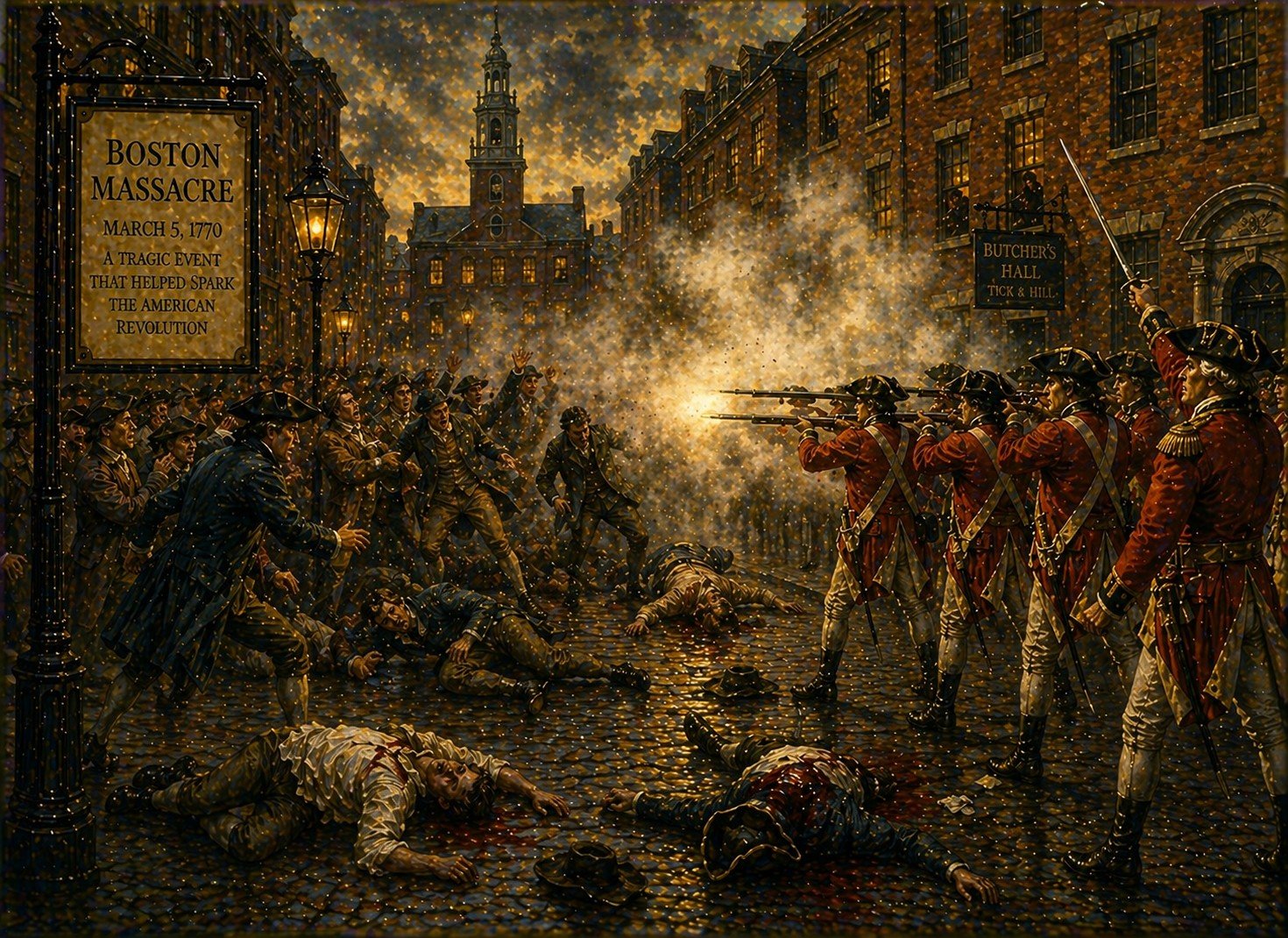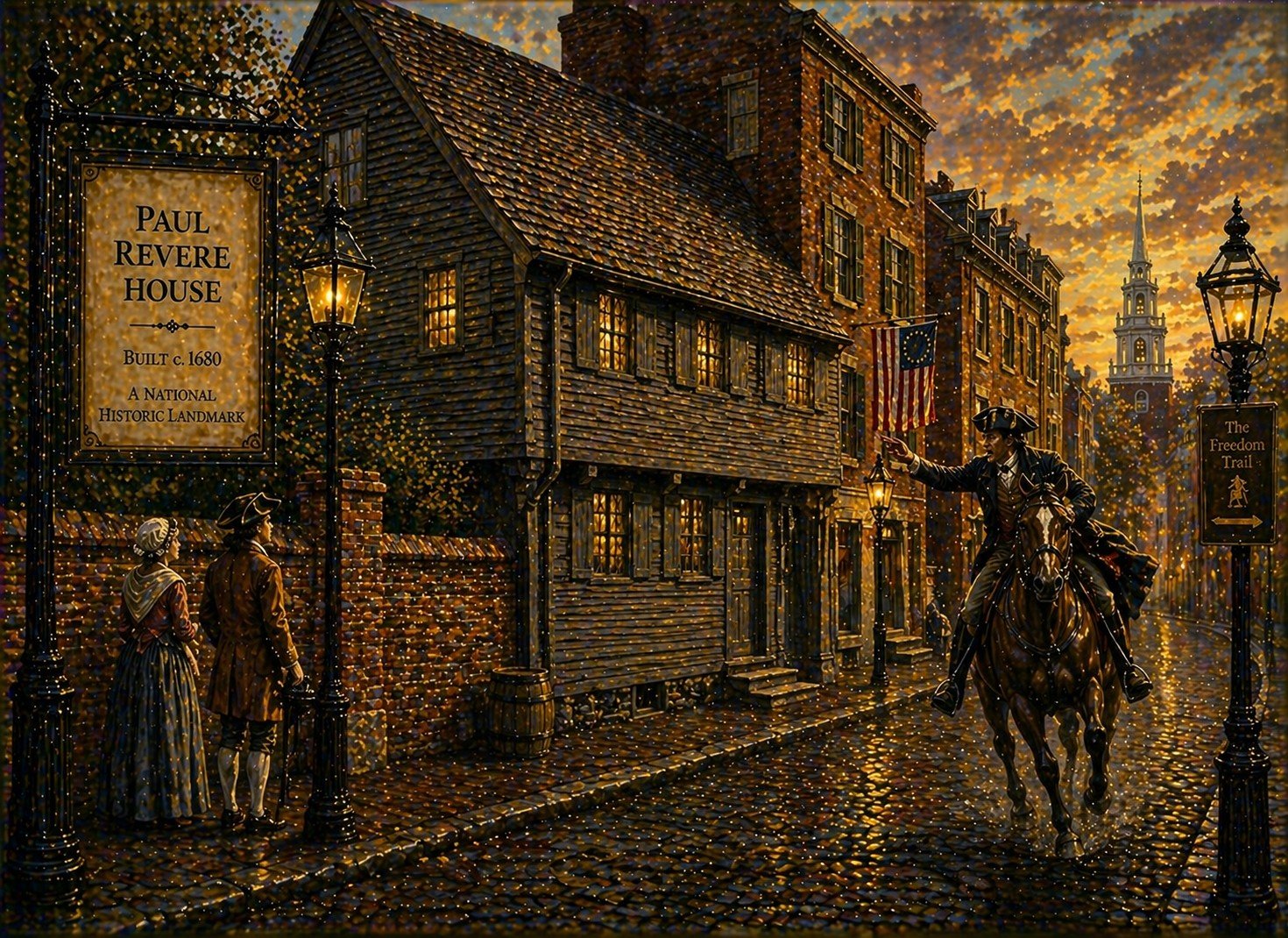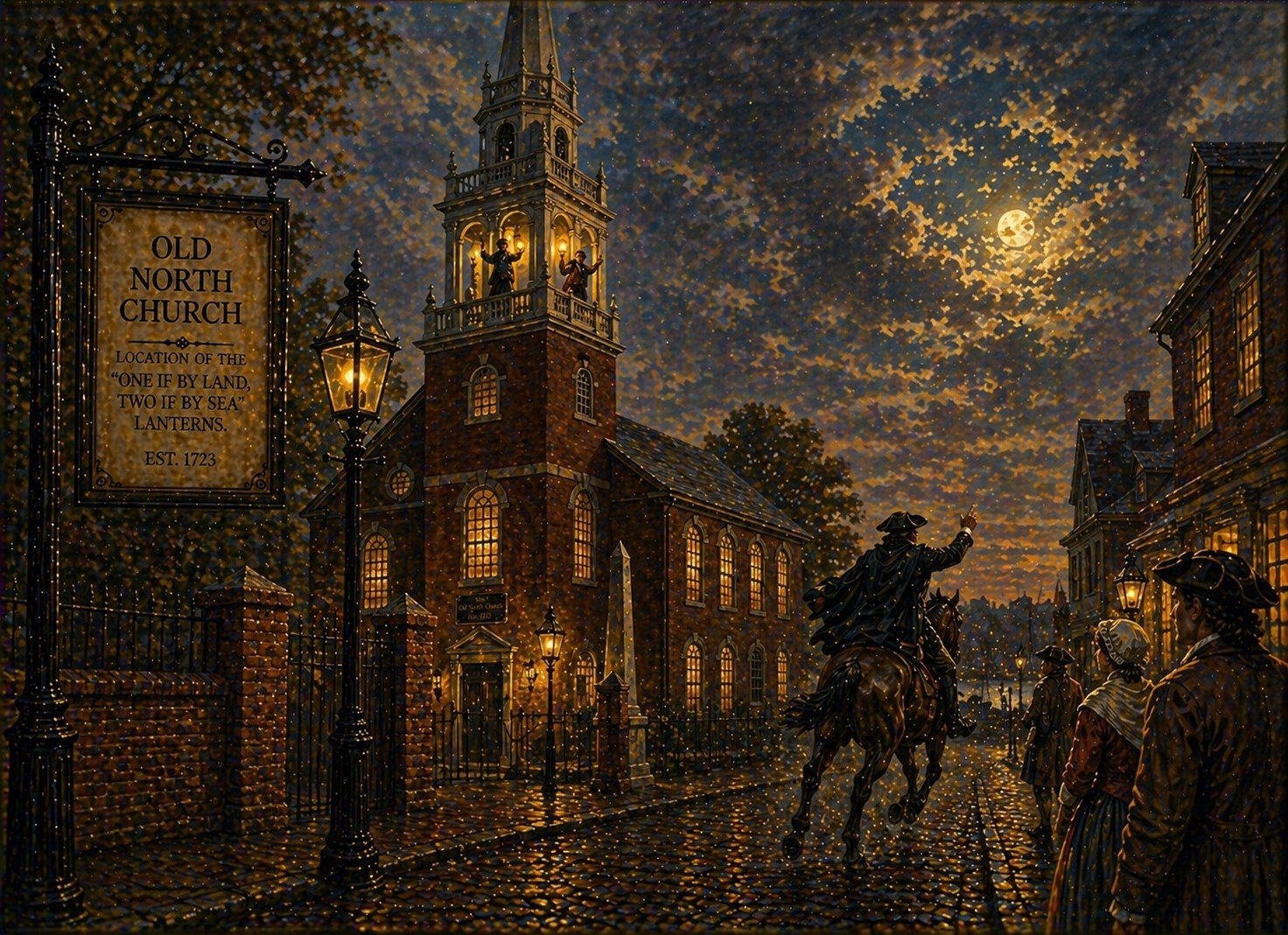
Faneuil Hall is one of the most iconic and historically significant stops along the Freedom Trail. Known as the “Cradle of Liberty,” it played a central role in the political and social life of colonial Boston and became a focal point for revolutionary debate in the years leading up to the American Revolution.
Faneuil Hall was built in 1742 through the efforts of merchant Peter Faneuil, who funded its construction as a gift to the city. The building was designed to serve a dual purpose: the ground floor functioned as a marketplace where goods could be bought and sold, while the upper floor was used as a meeting hall for public gatherings. This combination of commerce and civic engagement made it a central hub of activity in Boston, bringing together people from different walks of life in a shared space.
In the decades before the revolution, Faneuil Hall became a key venue for public meetings and debates. As tensions with Britain escalated, the hall hosted speeches and discussions that challenged British policies, particularly those related to taxation and trade. Figures such as Samuel Adams and James Otis Jr. used the space to rally support for colonial rights and to organize resistance. The hall’s ability to accommodate large crowds made it an ideal location for mobilizing public opinion.
The nickname “Cradle of Liberty” reflects the building’s role in nurturing the ideas that would lead to independence. Within its walls, colonists debated the meaning of representation, the limits of governmental authority, and the rights of individuals. These discussions were not abstract; they were directly connected to the policies and actions of the British government, and they helped to shape the direction of the revolutionary movement.
Faneuil Hall’s significance extends beyond the events that took place inside it. Its location in the heart of Boston’s commercial district meant that it was surrounded by the daily life of the city. The marketplace below brought merchants, laborers, and workers together, creating a dynamic environment in which ideas could spread quickly. This interaction between economic activity and political debate contributed to the building’s importance as a center of revolutionary thought.
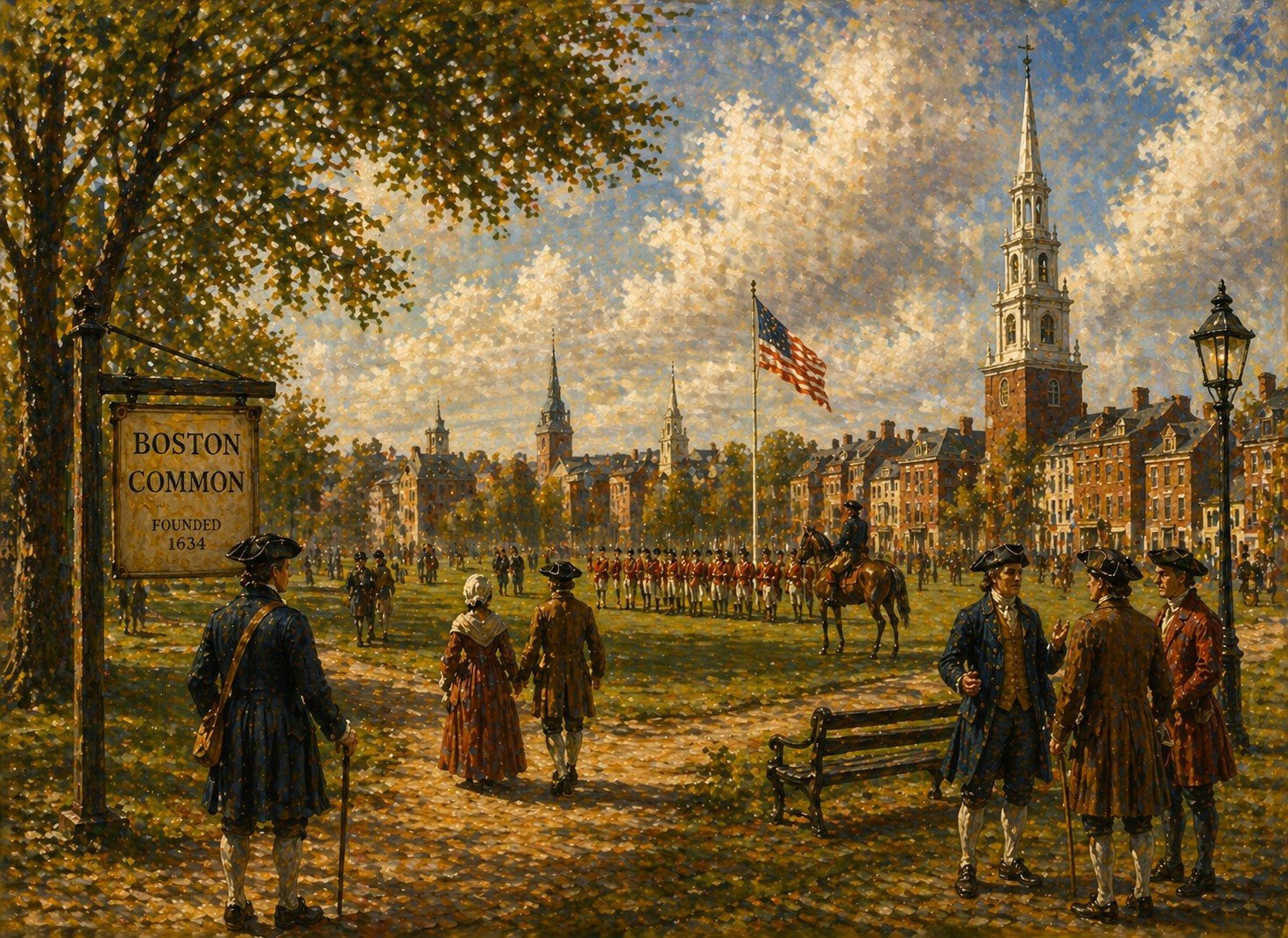
As part of the Freedom Trail, Faneuil Hall represents a key location in the progression from protest to organized resistance. Earlier stops along the trail, such as Boston Common and the Old South Meeting House, highlight the growing dissatisfaction with British rule. Faneuil Hall, however, emphasizes the role of public discourse in shaping that dissatisfaction into a coherent movement. It shows how the exchange of ideas and the ability to gather and speak freely were essential to the development of the revolution.
The building itself has undergone several changes over time. It was damaged by fire in 1761 and subsequently rebuilt and expanded. In the 19th century, further renovations increased its size and adapted it to new uses. Despite these changes, the core structure and its historical significance have been preserved, allowing visitors to experience a space that has been central to Boston’s history for centuries.
Inside, the Great Hall retains much of its historic character, with high ceilings, wooden floors, and walls adorned with portraits and historical artifacts. This space continues to host events, lectures, and ceremonies, maintaining its tradition as a place of public gathering. The continuity of use reinforces the idea that Faneuil Hall is not just a relic of the past but a living part of the city’s civic life.
The surrounding area, including Quincy Market, adds another dimension to the site. Today, it is a bustling destination for shopping, dining, and entertainment, drawing visitors from around the world. This modern location coexists with the historical significance of Faneuil Hall, creating a vibrant environment that reflects both the past and present of Boston.
Ultimately, Faneuil Hall stands as a symbol of the power of public participation in shaping history. As part of the Freedom Trail, it offers insight into how ideas, debate, and collective action contributed to the founding of the United States. Its role as the “Cradle of Liberty” is not just a reflection of past events but a reminder of the current civic engagement in a democratic society.